
Meeting
Health and Adult Social Care Select Committee - Hampshire
Scheduled Time
Tuesday, 3rd March 2026
10:00 AM
Tuesday, 3rd March 2026
12:30 PM
Confirmed
03 Mar 2026
Ashburton Hall, Elizabeth II Court, The Castle, Winchester

Councillor Cynthia Garton
Eastleigh Borough Council
Absent

Kerry Bean
Expected
Clare Hedgecock
Expected
Charlotte Koster
Expected

Gary Westbrook
Expected
Rebecca (Bex) Thompson
Expected
Kirsty Winter
Expected

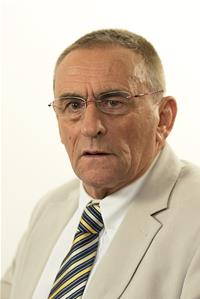
District/Borough Council - Vacancy
District/Borough Council
Expected
District/Borough Council - Vacancy
District/Borough Council
Expected
District/Borough Council - Vacancy
District/Borough Council
Expected


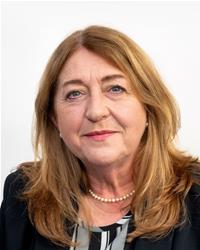


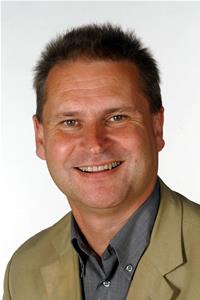

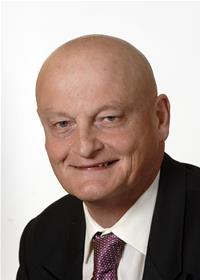

Councillor Fran Carpenter deputised for Councillor Bill Withers,
Councillor Debbie Curnow-Ford deputised for Councillor Pam Bryant and Councillor Stuart Bailey deputised for Councillor Tonia Craig.
Pecuniary Interest in any matter considered at the meeting they must declare
that interest at the time of the relevant debate and, having regard to the
circumstances described in Part 3, Paragraph 1.5 of the County Council's
Members' Code of Conduct, leave the meeting while the matter was discussed, save for exercising any right to speak in accordance with Paragraph 1.6 of the Code. Furthermore Members were mindful that where they believed they had a Non-Pecuniary interest in a matter being considered at the meeting they considered whether such interest should be declared, and having regard to Part 5, Paragraph 5 of the Code, considered whether it was appropriate to leave the meeting whilst the matter was discussed, save for exercising any right to speak in accordance with the Code.
Declarations of interest were received from the following:
The following Members declared an interest in item 6a of the agenda “Home-First: Increasing Home-Based Rehabilitation: Petersfield” Councillor David Harrison in his capacity as a Governor of the Hampshire and Isle of Wight NHS Foundation Trust.
The following Members declared an interest in item 8 of the agenda “SP25 Proposals for Savings (Phase 1) Homelessness Update, Councillor Andy Tree in his capacity as Deputy Leader for East Hampshire Council.
The following Members declared an interest as servicing District and Borough council members, Councillor Pal Hayre, Councillor Lesley Meenaghan, Councillor David Harrison and Councillor Stuart Bailey.
- Document Minutes Public Pack, 13/01/2026 Health and Adult Social Care Select Committee 23 Feb 2026
HASC Access to Primary Care in Hampshire (Basingstoke) Working Group)
The Working Group continued to gather evidence and interrogate data which would inform the final report and develop recommendations for consideration by the Select Committee.
With that in mind a series of site visits had taken place to enable engagement with staff and providers. Further visits were planned during March included site visits and engagement with patient participation groups. It had been hoped that the final report would have been ready to present to the HASC, unfortunately work remained outstanding.
As a consequence, the WG continued to meet and anticipated the final report to be presented at the next meeting of the Select Committee. As elections were due to take place in May and there was a potential that Members of the WG would not be present at the next meeting, the Chairman gave a vote of thanks to those individuals for their hard work and due diligence.
Joint Strategic Needs Assessment (JSNA)
Hampshire's JSNA reviewed current and future health and wellbeing needs and inequalities within the Hampshire population. It is used to inform and guide the planning and commissioning of health, wellbeing and social care in the local authority area.
The JSNA provides all local partners a set of jointly agreed priorities to work on together in the new health and care system. It is therefore important the content of the JSNA chapters remain considered to ensure it meets the needs of partners’ and inform partner’s priority setting and commissioning programme.
The JSNA core report is updated throughout the year and is subject to continuous review ensuring the inclusion of updated or newly available data. All revisions and additions are documented on the JSNA data landing page to ensure transparency and accessibility.
Healthy Streets
Universal Services with Public Health hosted an online introduction to Healthy Streets designed for Elected Members, on Wednesday 4th March.
Healthy Streets are a national framework that helps design streets that feel safer, more accessible and pleasant for everyone. It was adopted in Local Transport Plan 4 and aligns with Hampshire’s Public Health Strategy & ambitions,
Delivering Healthy Streets required all stakeholders to be engaged to succeed, and local Members were uniquely positioned to help find and realise opportunities to build healthier communities.
The Director of Public Health confirmed the determinates that impact on health and stated that the planning and localities of residents was really important. The briefing session offered on healthy streets specially developed with local councillors in mind was an important part of the understanding of how we can improve our environmental planning and transport plans.
JHOSC Frimley Park Hospital
Cllr Withers attended a meeting of the JHOSC in February when information was shared regarding the national hospital building programme. Consideration was also given to the National Audit Office report (January 2026) which stated that no Reinforced autoclaved aerated concrete (RAAC) hospitals nationally would open before 2032/33. The process and timeline for the preferred site selection, plans and next steps and the programme of public engagement were also discussed.
- Document 2026-03-03 HASC Issues Report 23 Feb 2026
Members with information about the issues brought to the attention of the
Committee which impacted upon the planning, provision and/or operation of
health services within Hampshire, or the Hampshire population as follows:
6a: Home-First Increasing Home-Based Rehabilitation: Petersfield.
- Document HIOWH Hampshire HASC paper - March 2026 23 Feb 2026
The Committee received an update on the implementation of the new Home?Based Rehabilitation model following the reduction of inpatient rehabilitation beds at Petersfield Community Hospital (closure of Rowan Ward) and the transfer of staff and resources into community?based pathways. The model, previously presented to the Select Committee in November, which aimed to increase capacity for home?based rehabilitation and reduce reliance on bed?based services.
The changes were completed at the end of January. Twenty beds at Petersfield Hospital had been decommissioned, with staff redeployed across the community, virtual wards and nursing services. Activity levels across home?based and bed?based pathways had been sustained through winter pressures, and early data indicated a downward trend in discharge delays at Queen Alexandra Hospital (QA). Vacated space at Petersfield Hospital had been repurposed for outpatient clinic use, therapy “gym” space, and potential use by adult mental health services.
With one month into the new model, the Committee discussed availability of staffing and levels of redeployment when officers confirmed that Cader Ward was fully staffed and that some staff from Rowan Ward had transferred internally. Some staff had moved into community roles and on completion of redeployment 15 posts were expected to be advertised.
Members were encouraged to note that 70 patients per week were discharged through home?based and bed?based rehabilitation. Prior to the change: approx. 40 went to beds and 30 were discharged home against 40 home-based care and 30 beds admitted to inpatient beds. Waits for home?based rehab have reduced from 9 to 8 days with work to done but the trend is positive. Queen Alexandra had benefited from the change seeing a reduction in episodes from approx. 280 to 190 in recent weeks, with the change forming part of wider system improvements and is contributing positively. Officers confirmed that no patients had been disadvantaged following the change and would return with further quantitative data when sufficient time had elapsed.
Patient acceptance and workforce risk engagement was discussed with evidence that last year most patients preferred home discharge with a smaller number of patients preferring the inpatient settings for reassurance, the choice would be supported where clinically safe. Work had taken place to improve confidence which included information session and leaflets.
James Roach, Director of Primary Care and Local Care, HIOW thanked the Select Committee for their support, wise counsel and challenge.
The Committee recorded a vote of thanks to Petersfield Hospital staff.
RESOLVED: that the Health and Adult Social Care Select Committee
Note the update on the implementation of the Home?Based Rehabilitation model for Petersfield and its early positive indicators.
That the Committee receives a fuller, data?rich update in six months, once the new model had been embedded and further evidence was available for scrutiny.
- Document 2026-03-03 Heath and Adult Social Care Select Committee Annual Complaint Report 23 Feb 2026
- Document annualcomplaintsreport2024-2025 23 Feb 2026
- That the overall number of complaints had risen; however, this increase was proportionate to rising service demand. Alongside this, compliments had increased by approximately 20%, which was noted as a positive reflection of staff performance and customer experience.
- Significant work had been undertaken during the year to improve the timeliness of complaint responses. It was highlighted that responding promptly had been a key factor in resolving concerns at an early stage.
- Response rates at Stages 1 and 2 had risen to approximately 85%, which was welcomed by the Committee.
- Upheld and partially upheld complaints were reported at 49% with officers stating that this should be viewed positively, demonstrating the Council’s constructive and transparent approach to complaints and its commitment to continuous improvement. It was noted that a significantly lower uphold rate might indicate that legitimate concerns were not being acknowledged.
- Complaints escalated to the Local Government and Social Care Ombudsman (LGSCO) when compared with Kent, Sussex and Surrey indicated that Hampshire continued to perform strongly in national terms, with low numbers of cases progressing beyond the Council’s internal processes. This was attributed to the robustness of Stage 2 investigations, which often mirrored the depth and scope of an Ombudsman review and therefore reduced the likelihood of further action.
Progress on several service improvement initiatives were reported. These included:
- Introduction of Callbacks: An informal mechanism for addressing dissatisfaction for customers who do not wish to raise a formal complaint. This approach had been well?received, with significant uptake.
- Telephone Contact at Stage 1: Officers were encouraged to make telephone contact when issuing Stage 1 responses, supporting a strengths?based approach and helping prevent unnecessary escalation.
- Revised Complaints Policy: A new policy had been implemented, to enhance the strengths?based ethos, formally incorporating public health complaints, and providing greater clarity on matters relating to consent.
- Power BI Dashboard: A new dashboard had been launched enabling services to access and analyse their own complaint data directly. This was expected to support greater insight into trends, root causes and service improvements.
Members discussed the resolution of Councillor and MP generated complaints and asked if the complaints were included in the figures of recorded formal complaints. Officers confirmed that the complaints received from Members and MPs were not included in the dataset, they were recorded separately as “elected official correspondence” — around 400+ per year and were treated with the same seriousness and were resolved in the same way. The Director confirmed that all Member and MP enquiries were directed to her to allow for additional oversight and scrutiny. Separation of categories would avoid double counting and duplication.
Entries of service quality were explained which related to both in?house services and external providers commissioned by the Council, however there was no breakdown available for HCC vs external providers but officers had agreed to see if this could form future recording. Managers regularly review themes, sometimes line?by?line, especially quarterly, to identify patterns and improvements. The proportion of complaints about HCC Care are relatively low level. As HCC operates 12 care homes out of more than 300 in the county, complaints about external providers are also regulated by the CQC, and the directorate would follow up where needed.
Overall, the level of complaints had increased in correlation with the increased level of those being supported by the service. The largest complaints category of “Customer Financial Management” was discussed with an explanation of what this entails, issues related to paying for care, invoices, thresholds, savings, benefits, and financial assessments. Consideration is given to the naturally emotive issues which are treated seriously and are generally taken straight to Stage 2 for full review, with a limited number being referred the Ombudsman. This is helped by the addition of phone-based resolutions to make complaints easier for those who struggle with paperwork.
Complaints being one of several sources used in readiness for Care Quality Commission assessment and combined with service user satisfaction survey results, feedback from experts by experience and direct case reviews.
Officers reported that the continued to focus on, prevention, early resolution, improved communication with telephone response times being enhanced, and service improvements linked to CQC preparation.
The Chairman noted that the low level of complaints escalated to the Ombudsman had been indicative of the team’s effective ability to deal with complaints received and achieving an early resolution.
The Health and Adult Social Care Select Committee RESOLVED:
1. To note the annual complaints report and, specifically, ongoing advances in the timeliness of responses, improvements in quality of service offered to complainants, and ongoing commitment to learning from complaints and using this to inform continuous improvement.
2. The Health and Adult Social Care Select Committee noted the comparison of complaints escalating to the Local Government and Social Care Ombudsman (LGSCO), against other comparable County Councils as noted below.
County Council
Complaints received by the LGSCO
Complaints investigated by the LGSCO
Percentage upheld by the LGSCO (national average is 89%)
Kent
291
79
83%
Essex
385
193
95%
Surrey
281
113
92%
Hampshire
179
38
79%
- Document 2026-03-03 HASC SP25 (Phase 1) Homelessness Support Services Outcomes 23 Feb 2026
The Committee received an update on the transition arrangements for homelessness support services following the Cabinet’s decision in October 2024 to cease discretionary Hampshire County Council (HCC) funding for these services from 1 April 2026. Although the County Council holds no statutory homelessness duties (these rest with district and borough councils under the Housing Act 1996 and Homelessness Reduction Act 2017), extensive joint work had taken place over the past 16 months to mitigate impacts on service users and local systems.
Officers emphasised the substantial progress made through close partnership working across all districts, boroughs and service providers and the Select Committee heard the following key points:
- Transition and Service Review
- Three areas have not continued funding the existing HCC?supported services, but each had identified alternative provision, Fareham Borough Council, Gosport Borough Council and Havant Borough Council.
- Services Confirmed to Close –
Fareham:
101 Gosport Road (Stage 1 hostel, 18 units)
Acton Lodge (Stage 2 accommodation, 10 units)
Havant:
St Albans (Stage 2 accommodation, 5 units)
- All residents affected have been offered a Care Act assessment. 70 referrals from accommodation-based services (June 2025–Feb 2026): 16 met eligible Care Act needs. 6 referrals from community support services: 4 met eligible Care Act needs.
- Overall 12% of assessed residents met Care Act eligibility, alternative support had included specialist supported accommodation, domiciliary care and technology-enabled care and HCC’s adult social care costs are projected to remain below the originally estimated £600,000.
Officers discussed the integrated social work outreach model which had included the targeted adults experiencing multiple disadvantages supported with the strengthen joint working across health, housing, social care, public health and VCSE partners.
The Director of Public Health informed the Committee that a grant had been awarded to help address Drug and Alcohol Treatment for Rough Sleepers. This ring?fenced public health funding would enable improved access to treatment, reduce rough sleeping and stabilise tenancies and all partnership work with districts was underway to shape delivery.
The supported housing delivery partnership which involved all districts, registered providers, Homes England and DLUHC would focus on future supported?housing supply, aligned with local need.
Member queries included
- Confirmation that additional costs to the districts would have a financial cushion in the form of an increased Homeless Prevention Grant and would incorporate rough sleeping initiative funding.
- Due to future homelessness demand, new provision would be in place in Fareham with additional staff recruited and the use of council owned stock; , Gosport, a stock?holding authority with alternative provision identified and Havant, not stock?holding, but has temporary accommodation such as Brent House and other options once existing services close.
- Member concern raised that shifting to a social work outreach model might weaken current levels of support. Officers confirmed that the model was an enhancement, not a reduction in support and strengthen collaboration, especially around drug and alcohol support, and complements existing statutory adult social care functions.
- Psychological vulnerabilities often linked to homelessness and how these were addressed were explored. Members heard that existing statutory mental health services, safeguarding teams, and voluntary?sector partners all supported individuals with complex psychological needs and integrated outreach will further strengthen these pathways
The Committee gave consideration to potential future issues, specifically the local government reorganisation (LGR). Officers reported that HCC had undertaken extensive work despite not having homelessness duties and future scrutiny would need involvement from districts/boroughs as the statutory authorities. LGR may create opportunities for more integrated future services.
The Chairman noted that homelessness duties were wholly the responsibility of the district and borough councils and that HCC had provided a two?year transition period and extensive support. It is appropriate to trust District and Borough colleagues to fulfil their statutory responsibilities.
The Health and Adult Social Care Select Committee RESOLVED to:
1. Note the activity undertaken to mitigate the impact of the Adults’ Health and Care SP25 proposal, that was approved by Cabinet on 14 October 2024 in relation to County Council funded Homelessness Support Services.
2. Note the outcomes for individual services and the ongoing work to improve outcomes for people who are homeless or at risk of homelessness who may also have Care Act eligible needs and/or require intervention in response to safeguarding concerns.
- Document 2026-03-03 HASC - Director of Public Health Annual Report 23 Feb 2026
- Document Director-of-Public-Health-Report-2025 23 Feb 2026
The annual report as a statutory independent document a legal requirement to be published by the Director of Public Health and can highlight issues even where perspectives differ from other council priorities. The focus this year was on alcohol harm under the title: “Call Time on Alcohol Harm – Small Changes, Big Difference.”
The known significant public health risks associated with alcohol were explained, patterns of alcohol consumption, the health, social and economic impacts. Actions already taken included areas for improvement and system?wide recommendations. Key points discussed around alcohol consumption trends, rising alcohol consumption in some groups, particularly following COVID?19. Changes in patterns by age, with younger adults drinking less overall and stress featuring as a major driver of increased consumption.
Health impacts linked to alcohol included over 4% of cancers, rising liver disease, mental health problems, injuries and safeguarding risks.
Around 24% of Hampshire adults were drinking at higher?risk levels with an estimated 11,000 people in Hampshire recorded as alcohol dependent.
There was recognition of the situation that many people had for years managed their addiction without clinician intervention or raising concern, the report included examples where alcohol issues were not identified until very late. There had been an increase in numbers accessing treatment (an additional 1,000 in the past year). The launch of “Rethink Your Drink”, enabling individuals to self?assess online.
Development of specialist alcohol teams within hospitals enabled high?quality adult and young?people’s alcohol treatment services, plus support for families.
Progress on integrating mental health and alcohol support (“no wrong door”). And the prevention and education improvements in schools were also highlighted.
It was anticipated that all professionals received training to initiate convers ations about alcohol, a strengthening of specialist alcohol teams in hospitals.
Better integration of alcohol and mental health support.
Continued expansion of treatment access and peer support.
Stronger focus on licensing decisions within district councils.
The public call for action included the need for small changes by individuals, professionals and communities which proved to significantly reduce harm and alcohol teams in hospitals were set to continue previously funded by HCC now recognised as a health responsibility. “Be brave, be kind, be the difference.”
It was recognised that alcohol was often used to manage anxiety or poor mental health. The “no wrong door” model shows improvements when both issues are addressed together. Young adults drinking trends reflected changing attitudes, social patterns, and price sensitivities, rather than drinks?industry influence. New behaviour?change and intervention had been launched to support people not needing intensive treatment. Training had been rolled out to help staff raise alcohol concerns earlier. Outcomes are measured through, numbers accessing treatment, completion rates, alcohol?free outcomes and engagement in peer and volunteer programmes.
The Select Committee recorded a vote of thanks to Simon Bryant, Director of Public Health and noted his long service, professionalism, and leadership of a “jewel in the crown” of the County Council.
The Health and Social Care Select Committee RESOLVED:
1. To note the Annual Report of the Director of Public Health and
2. To endorse the ambitions within the Annual Report focused on working together and taking action to raise awareness of alcohol harm and reducing the barriers to accessing treatment and support.
- Document 2026-03-03 HASC Work Programme 23 Feb 2026
potential items for the work programme that can be prioritised and allocated by the Chairman of the Health and Adult Social Care Select Committee in
consultation with the Director of Adults’ Health and Care and would consider any future items for consideration.
The Select Committee praised the Director of Adults’ Health and Care Jess Hutchinson, was praised for her work in what has been a difficult job.
Join the Discussion
You need to be signed in to comment.
Sign in