
Meeting
Health and Adult Social Care Select Committee - Hampshire
Scheduled Time
Tuesday, 25th November 2025
10:00 AM
Tuesday, 25th November 2025
1:01 PM
Confirmed
25 Nov 2025
Ashburton Hall, Elizabeth II Court, The Castle, Winchester
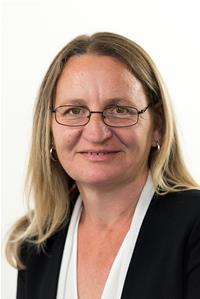

Kerry Bean
Expected
Clare Hedgecock
Expected
Charlotte Koster
Expected


Gary Westbrook
Expected
Rebecca (Bex) Thompson
Expected
Kirsty Winter
Expected
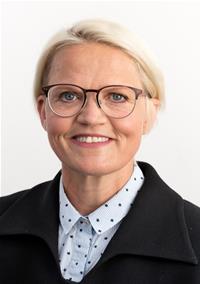

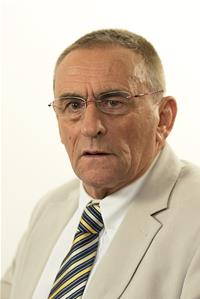
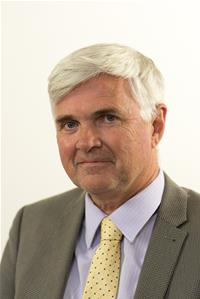
Councillor Cynthia Garton
Eastleigh Borough Council
Apologies
District/Borough Council - Vacancy
District/Borough Council
Expected
District/Borough Council - Vacancy
District/Borough Council
Expected
District/Borough Council - Vacancy
District/Borough Council
Expected








Apologies were also received from Councillor Stephen Reid, Executive Member for Health and Wellbeing.
Declarations of interest were received from the following:
The following Member declared an interest in items 6a and 6b on the agenda, “Mental Health Services and District Nursing” and “Home-First: Increasing Home-Based Rehabilitation – Petersfield”, Councillor David Harrison in his capacity as a Governor of the Hampshire and Isle of Wight NHS Foundation Trust.
The following Members declared an interest in item 7 “SP25 (Phase 1) Homelessness Support Service”, Cllr North, declared an interest as the Leader of the District Council affected by these changes.
Councillor Andy Tree in his capacity as a District Councillor.
- Document Minutes Public Pack, 14/10/2025 Health and Adult Social Care Select Committee 17 Nov 2025
Committee meetings and item 6b of the minute book “Home First: Increasing Home-Based Rehabilitation: Petersfield”
The paper set out proposals to increase the Trust’s ability to support more people with physical rehabilitation needs in their own home where clinically appropriate, to prevent the need for a further, unnecessary hospital stay (in some cases far from home) and in line with evidence and best practice.
The demand for home-based rehabilitation outstrips capacity, whereas the capacity for hospital-based rehabilitation exceeds demand. The proposals sought to address this by shifting some resources from community hospital inpatient wards to strengthen home-based care services.
The Chairman called upon Councillor Rob Mocatta to address the Select committee and once heard, the Chairman thanked the speaker for their comments and considerations.
Future Delivery of Ambulance Services
A new operating model announced by South Central Ambulance Service NHS Foundation Trust (SCAS) and South-East Coast Ambulance Service NHS Foundation Trust (SECAmb) would realise the ambition of both trusts to address challenging performance and navigating the existing financial environment. The change in delivery was in recognition of the need to deliver a sustainable ambulance services across the South-East of England.
Care Quality Commission Adult Social Care Inspection
The Care Quality Commission (CQC) visited Hampshire Adults Health and Care in the week commencing the 10November. The CQC’s responsibility to assess local authorities was introduced under the Health and Care Act 2022 and came into effect in April 2023.
The assessments evaluated how local authorities met their adult social care duties under Part 1 of the Care Act 2014, focusing on quality, safety, and outcomes for people who draw on care services. [local.gov.uk] The framework is structured around 4 overarching themes and 9 quality statements:
Working with People: Assessing needs, supporting healthier lives, equity in experience and outcomes. Providing Support: Care provision, integration and continuity, partnerships and communities. Ensuring Safety: Safe systems, safeguarding, transitions. Leadership: Governance, sustainability, learning and innovation.
Each quality statement was rated individually then contributed in an overall rating of: Outstanding, Good, Requires Improvement, or Inadequate.
Initial feedback from CQC was positive as we await indications as to the overall rating in the New Year, with a final report published in March 2026
HCC Care Home Strategy
The Director that Adults’ Health and Care has agreed to present to the Select Committee a report on the future model of HCC Care and Support and will take into account the previous Cabinet decision on the Care Home Improvement Programme made in March of this year.
Further ICB Arrangements
NHS England’s 10-Year Health Plan requires ICBs to reduce running costs and focus on strategic commissioning.
To achieve this, ICBs are clustering and merging, with new footprints designed to align with strategic authorities and local government boundaries for better integration.
The changes aimed to reduce duplication, improve efficiency, and support population health outcomes. From 1 April 2026, Hampshire and Isle of Wight ICB would expand to include the Hampshire wards currently under Frimley ICB (notably North East Hampshire). To create a footprint coterminous with Hampshire’s combined authority, to enable closer collaboration between health and local government, Maggie MacIsaac had been confirmed as Chief Executive as part of the reforms.
Place-based partnerships (Hampshire, Isle of Wight, Portsmouth, Southampton) continued to operate but under the revised ICB structure with the Frimley ICB disaggregated and split into three parts:
East Berkshire ? joins Buckinghamshire, Oxfordshire & Berkshire West to form Thames Valley ICB. Surrey Heath, Ash, Farnham ? moves to Surrey and Sussex ICB. North East Hampshire ? aligns with Hampshire and Isle of Wight ICB.
NHS Frimley worked on the safe transfer of primary care and contracting decisions to maintain continuity of services during the transition.
Timescales are that, in April 2026:
Hampshire and Isle of Wight ICB incorporates North East Hampshire. Frimley ICB ceases as a standalone entity; its areas redistributed as above.
The Select Committee would receive a full presentation at the HASC in January 2026.
Dental Services Supplementary Information
Members requested certain data at the last HASC on dentistry, which had been circulated. The document included a calendar of locations of the mobile dental unit, and a leaflet that members could reference when queries were received from constituents.
Members with information about the issues brought to the attention of the
Committee which impacted upon the planning, provision and/or operation of
health services within Hampshire, or the Hampshire population as follows:
- 6a Mental Health Services and District Nursing Update
- 6b Home First: Increasing Home-Based Rehabilitation: Petersfield
- Document 2025 11 25 Hampshire HASC paper MH and District Nursing 17 Nov 2025
invited them to present the report.
The Select Committee heard that the Trust had acknowledged the national challenge of rising mental health needs among children and young people, exacerbated by COVID-19 isolation and lack of community connection.
The significant work to reduce waiting times for Child and Adolescent Mental Health Services (CAMHS) was highlighted and considerations included:
- National focus on waiting list management.
- Targets to eliminate 104-week waits (two years) and reduce to 52 weeks, the current trajectory shows improvement; statistics available on request.
- On performance measurement and indicators include waiting list data, which shows improvement, alongside other quality and outcome measures.
- The emphasised demand and capacity pressures and the need to optimise structures for efficiency.
- The importance of appropriate referrals to specialist services and reducing stigma associated with mental health care.
- Urgent referrals were prioritised and managed dynamically; families and partner agencies kept informed.
Members raised specific concerns related to the impact of long waits, citing tragic cases of suicide among young people and urged The Trust to continue efforts to reduce delays.
In terms of community nursing the evolution of the function was explained, with a move away from the single-nurse model to large multidisciplinary teams: which included nurses, therapists, psychologists, geriatricians, nurse consultants, and support workers. Services ranged from urgent care (up to four visits per day) to rehabilitation at home, with a focus on patient empowerment and independence. Rehabilitation at home included practical support (e.g., mobility, daily living tasks) alongside clinical care.
The Committee continued its discussion on mental health services and community provision the Trust confirmed their partnerships in the planning of future service locations, including Chase Community Hospital and the proposed Health and Wellbeing Hub. Members were assured that services currently provided at Chase are valuable and will remain, but noted that workforce and specialist pathway requirements may occasionally necessitate centralisation to ensure access to specialist care.
Highlighted concerns raised by the Children and Young People Select Committee regarding CAMHS was discussed and a suggestion of a joint meeting between committees with the inclusion of senior ICB leadership was met favourably by the Select Committee.
In response to questions related to partnership working the Trust reported that they worked closely with schools, headteachers, and GPs, offering advice and early intervention, and receives referrals from multiple sources. The “no wrong door” approach and engagement with local authority and voluntary sector partners was explained. The importance of early intervention and family support to prevent escalation into crisis care was reported which included acknowledgment of workforce challenges, upstream investment in prevention and social connectivity for young people would be a future focus, rather than solely increasing resources at the crisis end.
RESOLVED: That the Health and Social Care Select Committee:
1. Noted the update on mental health and community nursing services.
2. Requested further information on CAMHS waiting time statistics and workforce figures.
3. Supported coordination with the Children and Young People Select Committee on CAMHS scrutiny, including consideration of a joint session with senior ICB leadership.
4. Asked for a future update on the implementation of integrated community care pathways and their impact on patient experience.
5. Agreed that the Committee would request further performance and assurance information from the Trust in Spring 2026.
- Document Home Frist Increasing Home Based Rehabilitation: Petersfield 17 Nov 2025
Officers reiterated the proposals to address demand and capacity issues, to ensure patients received care in the most appropriate setting. Petersfield Hospital would retain its facility, including end-of-life care provision as a key component of the service. To address the current service imbalance, with too many community beds and insufficient home-based support, the aim is to recalibrate provision to reduce unnecessary hospital stays and improve patient outcomes. National guidance had been considered to maximise the reduction in harm caused by delayed discharge and the improvement of patient outcomes.
Engagement with stakeholders and residents had been significant, though initial phases could have been improved. Lessons learned had informed recent engagement activity.
Hampshire and IOW ICB confirmed the proposals would align with national priorities for rehabilitation and hospital flow, representing a dynamic response to operational pressures. Assurances were given regarding retention of bed capacity for specialist needs and ongoing review of the changes.
The proposals would not impact the Urgent Treatment Centre (UTC) at Petersfield Hospital; in fact, it may allow for an extended footprint to improve patient experience and that there would be a potential that reducing inpatient ward space could enable relocation of clinics, supporting the UTC and improving efficiency. highlighted that increasing home-based rehabilitation will allow more timely discharges from acute hospitals, reduce unnecessary inpatient stays, and promote independence. Evidence showed that prolonged hospital stays can lead to isolation and harm, whereas home-based care is more personalised and dignified. Patient choice would remain central, with support available both in hospital and at home.
Officers responded to Members questions regarding step-up and step-down beds and confirmed that modelling had shown that some admissions to Petersfield were unnecessary and could have been avoided with adequate community support. The proposal would ensure care would be delivered closer to home, where clinically appropriate. Delayed discharge due to post assessment arrangements and gaps between acute and community support were discussed with workforce numbers viewed as one of the reasons for a delay. The Trust acknowledged the importance of workforce planning and confirmed that modelling had been undertaken to ensure sufficient staffing to support the delivery of the expanded home-based service.
The Director of Adults’ Social Care expressed strong support for the Home First principle, noting its benefits for patient outcomes, independence, and reducing reliance on residential care. Confirmation of robust monitoring was given and the continued closer collaboration between the Trust and local authority on discharge pathways was welcomed.
The Select Committee noted the assurances provided and welcomed the proposals to strengthen Home First and increase home-based rehabilitation capacity, subject to ongoing communication with the local community and continued monitoring of impact.
The Members concluded that the Committee and the ICB and internal officers had a great working relationship working very closely together which had been clearly demonstrated by the comments made by the Director of Adult Social Care and officers from the Trust and ICB.
The Health and Adult Social Care Select Committee RESOLVED: to
1. Endorse the Home First Increasing Rehabilitation at Home: Petersfield proposals.
2. To Trust and ICB to provide further information and supplementary data detailing occupancy, ahead of implementation and
3. Report back to the Select committee in the New Year and quarterly thereafter.
- Document SP25 (Phase 1) Homelessness Support Services Progress Report 17 Nov 2025
Officers reiterated that homelessness support was not a statutory responsibility of the County Council; this provision lies with districts and boroughs under the Housing Act 1996 and Homelessness Reduction Act 2017. Further detail included information that homeless hostels across the county support 76 individuals. The existing grants provided supported accommodation for 66 individuals and community support in Fareham, Gosport, Havant, and East Hampshire. Services aim to address causes of homelessness and prevent recurrence.
In supporting those with a recognised need a bespoke referral pathway for Care Act assessments opened June 2025 and would remain open until 28 February 2026. 61 referrals had been received; with 44 assessments completed of which 16 individuals had been identified with eligible needs, an additional 9 referrals had received since report was written. There would be ongoing social work support for non-eligible cases. On completion of the scheme, local housing teams would take responsibility for those homeless person in their area.
By way of transition planning, regular meetings with housing leads in districts/boroughs and providers would assist with the development of transitional plans. It was reported that some districts had agreed to continue funding; others await MHCLG decisions on homelessness prevention grant for 2026/27. Hampshire County Council offered support with alternative commissioning and cost modelling, noting the risk of uncertainty over grant allocation and potential closure of supported accommodation for single homeless people. The programme of Care Act assessments would be maintained with regular meetings with districts/boroughs and providers.
Referrals would be monitored as would outcomes, and costs of alternative services.
Members raised concern in relations to potential risks associated with the closures of supported accommodation and asked whether homelessness would see an increase locally compared to national trends. Officers reported that the districts and boroughs would be best placed to comment on local trends; however from experience, increase appears in line with national figures.
Officers reported that the districts and boroughs had welcomed Hampshire’s Cabinet previous recommendation to extend funding for a year, enabling smoother transition planning. The distinction between homelessness and rough sleeping was noted; with officers confirming the need for wraparound support to prevent rough sleeping.
The Chairman highlighted the positive collaboration between officers and Members, citing homelessness task group as an example and emphasised importance of early communication and learning from other authorities.
The Health and Adult Social Care Select Committee RESOLVED to:
Note the activity undertaken to mitigate the impact of the Adults, Health and Care Savings Programme 2025 proposal approved by Cabinet on 14 October 2024.
- Document Annual Adult Safeguarding and Quality Report - ADULTS' HEALTH AND CARE 2024-25 17 Nov 2025
Officers informed the Committee that the timing of the report coincided with National Safeguarding Adults Week which was themed around prevention of safeguarding concerns, positive progress in managing increased safeguarding demands, effective partnership working and robust arrangements. In additional to the commitment of the Safeguarding Adults Board Provider and market oversight.
Members heard that safeguarding referrals had risen by 45% of these 25% had converted to statutory intervention and that strategic initiatives implemented to manage demand effectively. Education continued to ensure that the distinction between a safeguarding referral and welfare concern remained clear.
Post Safeguarding Adult Reviews (SARs) and serious incidents, the lessons learnt have helped to theme future provision which would include increased mental health support and development of the enhanced support project for hard-to-reach individuals, ongoing improvement in safeguarding practice and training. Contract monitoring frameworks would be refreshed.
Three large-scale safeguarding enquiries had been undertaken, and 83% of providers rated Good or Outstanding by CQC.
Looking to the future the services would
- Continue to work towards anticipating the outcomes of the government consultation on Liberty Protection Safeguards in 2026.
- To continue to deliver client affairs services for 800 individuals lacking mental capacity.
- A general focus on modern slavery awareness and domestic abuse strategy.
- Collaboration with children’s services for transition to adulthood.
- Introduction of Making Safeguarding Personal survey for feedback post-intervention.
Members were interested to hear about the implications on staff due to the increased referrals rates for adults and children, this had been supported by the improvement in reporting and the known definition between safeguarding referrals and concerns and the effective triage and online referral forms.
The Committee discussed increased reporting and felt that it could be linked to greater public awareness through PR campaigns and community engagement. Local churches where praised for playing their part in safeguarding awareness. Officers commented that the Church of England Diocese is represented on the Hampshire Safeguarding Adults Board, which also included 38 other partners.
Officers in response to questions related to the use of AI technology when note taking and ultimately seeking to reduce waiting times, were in a position to confirm that use of “Magic Notes software” enhanced agility and productivity in reporting and had received positive feedback from practitioners; the full rollout had been scheduled for 1 December.
The Committee in noting the report and commended the work undertaken to manage increased demand, maintain robust safeguarding arrangements, and ensure provider quality.
The Health and Adult Social Care Select Committee RESOLVED to note:
1. The positive progress and strong performance of the Directorate to keep adults at risk safe from abuse and or neglect and the continued robust and responsive approach to managing the ongoing risk to fulfilling safeguarding duties in the context of increased safeguarding referrals and rising demand.
2. The commitment of adults, health and care staff and partner agencies to deliver robust safeguarding arrangements in Hampshire.
3. The strength and robust contribution of the Hampshire Safeguarding Adults Board to the safeguarding strategy, assurance and the development of the policy across the four local authority areas of Hampshire, Portsmouth, Southampton and the Isle of Wight. and to
4. Note the work of the provider Quality Team and the associated quality outcomes and contract monitoring framework to provide market oversight, data and intelligence support, quality improvement in the independent market and to undertake due diligence activities for newly commissioned adults, health and care contract frameworks.
- Document Vaping update for HASC 17 Nov 2025
Members heard that smoking remains the leading cause of preventable ill health, with 8,500 hospital admissions annually in Hampshire due to smoking. It was emphasized that generally those that don’t smoke would not then develop onto a dependency on vaping. Vaping is not risk-free but is significantly safer than smoking and an effective tool for quitting smoking. Adult vaping has risen with youth vaping showing not marked increase, with many young people trying vaping but do not turn to it regularly. Hampshire offers a unique service to help both young people and adults quit vaping.
Public Health offer and guidance support for schools to enable the management of vaping behaviours without defaulting to suspensions, collaboration with education colleagues and post-16 settings. Partnership with Trading Standards to tackle underaged sales and seize illicit vapes continued. The engagement with hospitals to embed tobacco control in care pathways was working well.
Concerned was raised in terms of youths accessing vape shops and the use of cannabis in vapes. Officers confirmed that vapes could contain chemicals including cannabis and that officers continued to work closely with substance misuse services. An email address would be shared with Members to allow for reporting concerns to trading standards.
Members were encouraged to learn that new legislation would seek to restrict and introduce stricter checks on vape shop which would focus on those mixing substances illegally, with officers encouraging Members to lobbying MPs to support the Tobacco and Vapes Bill. The legislation would also seek to address the perceptions of vaping and to look at the removal of single use vapes with bright colours and flavours.
The Health and Adult Social Care Select Committee RESOLVED to note the work and excellent progress made this year in tobacco control and vaping prevention.
- Document Corporate Report YHWB 2025 HASC 17 Nov 2025
Officers gave more detail on the work across three key partnerships: Climate Change Expert Forum, Local Nature Recovery Partnership and the Hampshire Prosperity Partnership Board the work of the collective partnership included a focus on linking health and wellbeing with climate and economic agendas some examples of outcomes could be seen as an increase in physical activity, a reduction in car use, benefiting health and climate.
Celebration events held two months ago showcased partnership benefits, strong progress with economic partnership and addressing sickness and work:
Members asked how success would be measured and how progress will be tracked and would services target the historically hard to reach groups (e.g., those with long-term illness), could any thought be given to engagement with social prescribers and community centres. Officers assured Members that measurement is challenged, especially for nature-based health improvements; exploring activity tracking and NHS engagement and that
behaviour was change is key; promoting physical activity as the “best buy” for public health.
A range of tools were explored to target hard to reach groups which included, connect to work referrals, those escaping domestic abuse and addiction recovery, engaging with workplaces to prepare for employees returning after long-term illness with acknowledgement that there was a need for inclusive nature activities and learning from engagement experience.
The Committee recognised and welcomed the integrated approach linking health, climate, and economic wellbeing.
The Health and Adult Social Care Select Committee RESOLVED to:
1. Note the background, toolkits and activities of the H2050 Partnership YHWB 2024-25
2. Note the strategic and cross-disciplinary approach to the chosen priorities and to
3. Support continued activity and action focusing on the priorities now that the YHWB has ended noting that the priorities are now referenced and linked within the new Hampshire Health and Wellbeing Strategy 2025-2035 and consider the role of the mayor in relation to these topics
- Document Health and Wellbeing Board Annual Report 2024-2025 17 Nov 2025
Members heard details of the highlights of the Health and Wellbeing Board’s Annual Report which included information of the Health and Wellbeing Strategy, which had now been signed off and the develop of Joint Strategic Needs Assessment (JSNA).
Work continued to address building blocks of health (housing, employment, education), climate change and the long term risks to health and tackling worklessness among young people. The JSNA presentation had been scheduled for the next Health and Wellbeing Board meeting; an offer and promotion of Member workshops was made.
The Select Committee thanked the officer and the Public Health team for their behind-the-scenes work and praised recent efforts to raise awareness.
The Health and Adult Social Care Select Committee RESOLVED to
1. Note the update, progress, and upcoming priorities of the Board’s work.
2. Share the annual report with relevant forums and within their organisations to support further engagement and development of the programmes and the Board effectiveness.
- Document 2025-11-25 HASC Work Programme 17 Nov 2025
- Hampshire County Council Care and support.
- Social Care Complaints monitoring
- Home First – Home-Based Rehabilitation Services at home: Petersfield
-
RESOLVED that the Health and Adult Social Care Select Committee agreed potential items for the work programme that can be prioritised and allocated by the Chairman of the Health and Adult Social Care Select Committee in consultation with the Director of Adults’ Health and Care and would consider any future items for consideration.
Join the Discussion
You need to be signed in to comment.
Sign in