
Meeting
Health and Adult Social Care Select Committee - Hampshire
Scheduled Time
Tuesday, 13th January 2026
10:00 AM
Tuesday, 13th January 2026
12:26 PM
Confirmed
13 Jan 2026
Ashburton Hall, Elizabeth II Court, The Castle, Winchester

Councillor Cynthia Garton
Eastleigh Borough Council
Absent

Clare Hedgecock
Expected
Charlotte Koster
Expected

Kerry Bean
Expected
Gary Westbrook
Expected
Rebecca (Bex) Thompson
Expected
Kirsty Winter
Expected

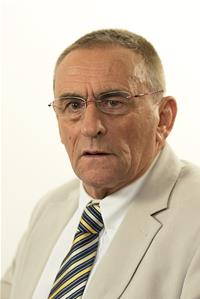
District/Borough Council - Vacancy
District/Borough Council
Expected
District/Borough Council - Vacancy
District/Borough Council
Expected
District/Borough Council - Vacancy
District/Borough Council
Expected


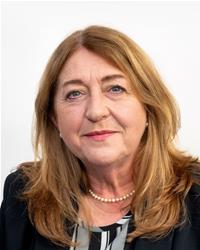


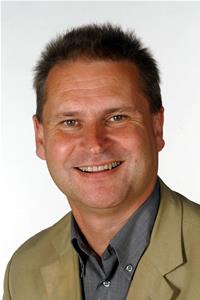

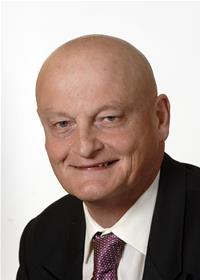

Members in attendance as a deputy were Councillor Rod Cooper, for Councillor Marge Harvey and Councillor Paula Ferguson for Councillor Tonia Craig.
Pecuniary Interest in any matter considered at the meeting they must declare
that interest at the time of the relevant debate and, having regard to the
circumstances described in Part 3, Paragraph 1.5 of the County Council's
Members' Code of Conduct, leave the meeting while the matter was discussed, save for exercising any right to speak in accordance with Paragraph 1.6 of the Code. Furthermore Members were mindful that where they believed they had a Non-Pecuniary interest in a matter being considered at the meeting they considered whether such interest should be declared, and having regard to Part 5, Paragraph 5 of the Code, considered whether it was appropriate to leave the meeting whilst the matter was discussed, save for exercising any right to speak in accordance with the Code.
A declaration of interest was received from Councillor Rod Cooper in respect of item 6 of the minute book “Reconfiguration of ICB Boundaries” in his capacity as a Governor of the Frimley NHS Trust.
- Document Minutes Public Pack, 25/11/2025 Health and Adult Social Care Select Committee 05 Jan 2026
Home First – Increasing Home Based Rehabilitation Services
The Trust had previously agreed to attend the HASC with a progress report, this would be made available for the next meeting of the Select Committee in March. Additional information that had been requested in November had been circulated.
Whitehill and Bordon
NHS colleagues agreed to provide an update at the next meeting of the Select Committee.
Naloxone
Hampshire are ahead of the curve nationally, as a wide range of organisations can use naloxone to reverse a drug overdose and prevent a drug related death. These include the commissioned drug and alcohol treatment service, some pharmacies, Hampshire Constabulary, The National Probation Service, HMP Winchester and local hostel and homeless providers. The Government
announced plans to expand access to medication that reverses opioid overdoses to other settings such emergency boxes in high streets. The plans for expanded access to naloxone are subject to consultation, which closes on 9th March.
Dry January
It’s easy to lose track of how much you’re drinking over the festive period, but the New Year is the perfect time to pause and take stock. Approximately 287,643 Hampshire residents aged 16+ drink above recommended level.
It matters because sticking to the recommended limit of 14 units or less per week lowers your risk of cancer and high blood pressure, while boosting energy, improving sleep, and saving money. The good news is that even small changes can make a big difference.
- Document 2026-01-13 HASC Issues Report 05 Jan 2026
Members with information about the issues brought to the attention of the
Committee which impacted upon the planning, provision and/or operation of
health services within Hampshire, or the Hampshire population as follows:
Reconfiguration of ICB Boundaries
- Document HASC update ICB changes Jan26 05 Jan 2026
Officers provided an update on the nationally mandated changes to Integrated Care Board (ICB) boundaries. All ICBs were required to reduce running costs by 50% from 1 April 2026, prompting a review of geographies and alignment with wider public sector structures. Members were given assurances that the boundary changes would not alter the treatment and services currently provided to residents as the mandate would align boundaries.
In the South East region, the number of ICBs would reduce from six to four. From 1 April 2026, Hampshire and Isle of Wight ICB would assume responsibility for the entire Hampshire geography, including the transfer of the North East Hampshire population (approximately 176,000 residents in Rushmoor and part of Harts) from Frimley ICB. This would involve the transfer of 14 GP practices, associated primary care services, staff, and contracts.
Governance arrangements, equality and quality impact assessments had been undertaken to ensure safe transition. Frimley Park Hospital and Frimley Health Foundation Trust would remain under the new Thames Valley ICB (formed by merging Frimley with Berkshire, Buckinghamshire, and Oxfordshire). Continuity and consistency in contracts and service access had been prioritised. Both ICBs had worked closely for nine months to ensure a smooth transfer and built on existing collaboration.
The Select Committee were pleased to note that the ICB would continue to publish an annual report and raised concerns related to low public awareness of the role and responsibilities of ICBs and suggested a series of enhanced publicity to inform residents about the impact of developments on health services. Officers agreed that more collective communication about the improvement of the health of the population. Members stressed the importance of clear communication with districts, borough councils and the public, particularly during boundary changes and future service developments with examples of local publications being shared such as “Arena Magazine” in Rushmoor to reassure residents about continuity of services. Proactive engagement with local authorities would ultimately avoid confusion and ensure understanding of the changes and emphasise the benefits.
Officers were keen to share details of the continued governance and transition planning to enable safe transfer of services and staff. Ongoing work would include the following:
- Maintaining engagement with primary care providers and local authorities.
- Provision of clear communications to residents regarding continuity of GP services and hospital access, including use of local publications.
- Prioritise work on addressing health inequalities, including the needs of the specific communities as identified.
- Consider opportunities to improve public awareness of ICB roles and
responsibilities.
The Health and Adult Social Care Select Committee
RESOLVED to note the report and agreed to request further information or assurance from the ICB.
- Document 2026 27 Revenue and Capital Budgets & Savings Report for Adults’ Health and Care HASC 05 Jan 2026
- Document 2026-01-20 2026-27 - Bud Prep - Exec Member budget report 05 Jan 2026
- Document 2026-01-20 Executive Member for ASC and PH Budget report - Appendix 6 EIAs 05 Jan 2026
- Document AHC - Bud Prep - January Select Committee Presentation 2026-27 05 Jan 2026
Officers provided an overview of the Local Government Finance Settlement and outlined the impact on the Council’s budget for 2026/27. Members were pleased to note the reduction in the budget gap, the November predicted forecast of £143m gap for 2026/27 was recorded as £136m. The initial forecast of £15.9m reduction (Fair Funding Review), with a provisional settlement of £9.2m reduction for next year realising a total reduction by 2028/29 of £38m in cash terms. A slight improvement has been seen in the SP25 savings position and ring-fenced grants for public health would remain in place.
Impacts on the Council budget structural deficit remained at £136m despite the improved settlement. New savings proposals under SP26 were discussed. The ring-fenced grants would see an expected increase to enable support for targeted areas (smoking cessation, drug/alcohol treatment).
The adult’s health and care budget with a proposed 10.2% increase in 2026/27 cash limit (before SP26 savings), would be driven by inflation and growth pressures. With key adjustments of £5m for 2025/26 (due to late grant announcements and pay awards) A realignment of budgets had been driven by a corporate restructure, different ways of working and the use of IT tools. Growth funding of £50.2m for care pressures, inflationary uplifts, and staffing linked to demand, had seen with the majority of the demand related to younger adults (learning disability and mental health).
Savings of £10.7m were realised from SP25 initiatives with a further estimated £4.1m from SP26 (total £14.8m). The capital programme of £16m for Adults Health and Care from 2025/26 onwards had key strands included supporting accommodation for younger adults and extra care for older adults would include maintaining operational buildings within HCC care and support and £2m grants to providers for modifications to supported accommodation stock.
Public health challenges and priorities were explained. The grant remained ring-fenced to enable an increase and focus on key priorities with the current issues including the prevalence of ill-health conditions with life expectancy having not demonstrated any marked improvement. General areas of focus with marked deprivation (Rushmoor, Havant, Gosport, Eastleigh, pockets of New Forest) showed poor levels of mental health and wellbeing across all ages and in terms of the ageing population. Officers continued to see healthy outcomes and appropriate levels of social care support.
The Public Health team had refreshed its strategies to focus on nutrition, obesity, and physical inactivity and worked to reduce health inequalities. Heightened initiatives in terms of tobacco cessation (smoking remains biggest cause of ill health), substance misuse and reshaped alcohol services had been seen with all aspects across the service showing strong collaboration and partnership working.
Members discussed the challenges facing adult social care and heard the future priorities which included recognition of the varied demographics of which 17.3% of the Hampshire population were over 70 (national average 14%), with an estimated growth in demand projected to 2029, variations could be seen across districts and levels of deprivation. NHS challenges would also prove to have an impact on future social care demand.
The social care market in Hampshire employed 40,000 care staff, national policy changes, NI contributions, immigration rules and pay awards would significantly impact costs.
Officers reported that future priorities would seek to embed strength-based practice and prevention strategy, whilst continued partnership working with the NHS and public health to avoid duplication and improve holistic support.
Expansion of accommodation options and offers would include extra care and supported accommodation.
The proposed SP26 saving programme would be on a smaller scale, with no direct impact on service levels for individuals. The targeted areas would include housekeeping and efficiency across contracts, the home-first approach with hospitals (to reduce bed-based support) and a review of the charging structure within HCC Care for equity across market and in-house provision. £1.4m should be realised from increased occupancy and more self-funders in HCC care homes.
The directorate had a strong track record in delivering savings programmes and would continue to focus on independence, prevention, and partnership work. The projected pressures from demographics, NHS demand, and social care market costs would continue to be a significant challenge.
The Health and Adult Social Care Select Committee:
RESOLVED to support the recommendations being proposed to the Executive Lead Member for Adult Social Care and Public Health in the previously circulated report.
Officers informed the Select Committee that the purpose of the report was to ensure pre-scrutiny ahead of Cabinet on 12 February, following the cessation of the CHIP programme in March 2025. Since 2023, work had included the construction of new homes, refurbishment of three homes, and pending closures.
The Committee raised concerns that the report focused primarily on justifying past decisions rather than setting out a long-term, forward-looking strategy and requested clarity in terms of:
- Demand forecasting for care home places in light of Hampshire’s ageing population.
- Market risk, particularly the potential for private providers to withdraw from the Care Home Framework or increase fees, noting that reliance on a non-contractual framework could present risks without clear mitigation.
- The scrutiny and planning, with recent changes in direction on care home development indicating a potentially reactionary approach, increasing the risk of disproportionate future costs.
Officers advised that:
- The Council had a long-term strategy and noted the challenge of long-range forecasting due to unknown future parameters, and the potential Local Government Reorganisation (LGR) and varied demographic profiles across the county. The approach therefore would be to plan in five-year cycles, with current focus on the next five years rather than shorter-term horizons.
- The supply of care home places was not an issue in Hampshire, and that an oversupply could negatively affect provider decision-making. There was a high level of confidence that providers would continue to work with the County Council.
- It was noted that HCC-operated care accounts for approximately 6% of the market, which would limit the Council’s direct control. However, around 75% of residential and nursing care providers were signed up to the County’s framework, supporting consistency. The prevalence of small and medium-sized care homes was highlighted as contributing positively to quality and sustainability.
- In line with the Council’s target of achieving net zero by 2050, the climate assessment was retrospective, with no clear roadmap for decarbonisation with no strategy to transition care homes to zero emissions over the next 25 years and that there had been a lack of baseline emissions data across the estate, which would be necessary to underpin any credible plan.
- Ongoing work to reduce energy use, costs, and carbon emissions, included the installation of solar panels and the increased use of electricity, and wider sector engagement were noted. It was noted the 94% of provision within similar building requirements and that efforts were made to ensure buildings are as economical as possible with HCC Care buildings had carbon-neutral considerations which were incorporated during refurbishment programmes. Officers advised that the Cabinet report included proactive examples of this work.
Members were concerned that they did not have the opportunity to scrutinise the capital programme in advance of being submitted to the Cabinet. Officers confirmed that the strategy had been the subject of scrutiny and that CHIP-related decisions followed the correct governance processes.
The Select Committee discussed the positive overall care home performance in Hampshire and noted the requirement for potential closures, especially where homes were expected to reopen but did not. It was noted that some homes were no longer fit for purpose and would have required substantial investment to meet future standards. All residents has been successfully relocated and were reported to be settled.
Members were keen to discuss further details of closed care homes, specifically Copper Beaches in Andover (2024/25), with concerns raised about delays and the future use of the estate and asked for assurances that assets were used effectively and disposed or repurposed. Officers confirmed that any discussions in relation to estates sat with Universal Services and officers agreed to provide additional information regarding Copper Beaches.
The Select Committee discussed the ongoing scrutiny of long-term strategic planning, net zero delivery and the effective management of care home assets
The Health and Adult Social Care Select Committee
RESOLVED to note the update and associated recommendations as set out in the previously circulated Cabinet report.
- Document 2026-01-13 HASC Work Programme 05 Jan 2026
potential items for the work programme that can be prioritised and allocated by the Chairman of the Health and Adult Social Care Select Committee in
consultation with the Director of Adults’ Health and Care and would consider any future items for consideration.
Join the Discussion
You need to be signed in to comment.
Sign in