
Portsmouth City Borough Council
Councillors:
42
Wards:
14
Committees:
37
Meetings (2026):
11
Meetings (2025):
117
Meeting
Full Council - Portsmouth City
Meeting Times
Scheduled Time
Start:
Tuesday, 17th March 2026
2:00 PM
Tuesday, 17th March 2026
2:00 PM
End:
Tuesday, 17th March 2026
6:00 PM
Tuesday, 17th March 2026
6:00 PM
Meeting Status
Status:
Confirmed
Confirmed
Date:
17 Mar 2026
17 Mar 2026
Location:
Council Chamber - The Guildhall, Portsmouth
Council Chamber - The Guildhall, Portsmouth
Webcast:
Available
Available
Meeting Attendees


Chair
Lord Mayor
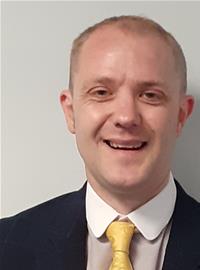
Committee Member
Cabinet Member for Community Wellbeing, Health & Care


Committee Member
Cabinet Member for Community Safety, Leisure & Sport

Committee Member
Cabinet Member for Environmental Services

Committee Member
Cabinet Member for Central Services

Committee Member
Cabinet Member for Climate Change and Greening the City




Committee Member
Cabinet Member for Transport
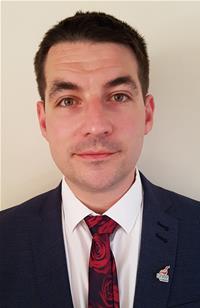

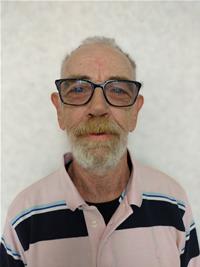
Committee Member


Committee Member
Cabinet Member for Children, Families & Education


Committee Member
Deputy Group Leader




Committee Member

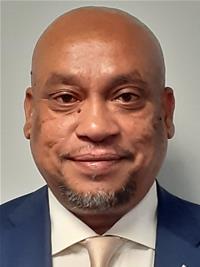
Vice-Chair
Deputy Lord Mayor

Committee Member
Group Leader

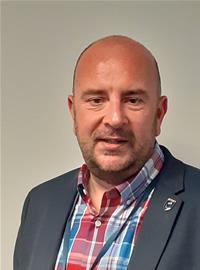
Committee Member
Leader of the Council (with portfolio responsibility for Culture, Regeneration & Economic Development)
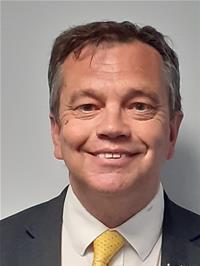
Committee Member
Deputy Leader of the Council; Cabinet Member for Housing and Tackling Homelessness


Committee Member
Deputy Group Leader


Committee Member



Committee Member


Committee Member
Cabinet Member for Planning Policy & City Development
Committee Member
Councillor Joe Standen
Present, as expected
Officer
Chief Executive
Natalie Brahma-Pearl
Expected
Officer
City Solicitor
Peter Baulf
Expected
Officer
Director of Finance & Resources (S151 Officer)
Chris Ward
Expected
Officer
Senior Local Democracy Officer
James Harris
Expected
Officer
Legal Services Business Manager
Peter Smith-Parkyn
Expected
Agenda
1
Declaration of Members' Interests
Minutes
There were no declarations of interest.
2
To approve as a correct record the Minutes of the meeting held on 24 February 2026
Attachments:
- Document Draft Council Mins 24.02.26 with apps 09 Mar 2026
Minutes
It was
Proposed by Councillor Steve Pitt
Seconded by Councillor Joe Standen
That the minutes of the Full Council meeting held on 24 February 2026 be confirmed and signed as a correct record.
The minutes were agreed by assent.
Proposed by Councillor Steve Pitt
Seconded by Councillor Joe Standen
That the minutes of the Full Council meeting held on 24 February 2026 be confirmed and signed as a correct record.
The minutes were agreed by assent.
3
Apologies for Absence
Minutes
Apologies for absence had been received from Councillor Simon Bosher, Councillor Chris Dike and Councillor Leonie Oliver. Apologies for lateness had been received from Councillor Cal Corkery.
4
To receive such communications as the Lord Mayor may desire to lay before the Council
Minutes
There were no announcements that the Lord Mayor wished to make.
5
Deputations from the Public under Standing Order No 24.
Deputations by members of the public may be made on any item where a decision is going to be taken. The request should be made in writing to the contact officer (james.harris@portsmouthcc.gov.uk) by 12 noon of the working day before the meeting (Monday 16 March 2026 for this meeting), and must include the purpose of the deputation (for example, for or against the recommendations). Email requests are accepted.
Minutes
The Lord Mayor advised that five oral deputation requests had been made for this meeting.
The first was from Viola Langley, in objection to minute 20, Treasury Management Policy 2026/27.
The second was from Steph Richards, in objection to minute 24, Notice of Motion titled 'Council of Sanctuary'.
The third was from Rachel Hudson, in support of minute 25, Notice of Motion titled 'Depaving in Portsmouth: a way forward'.
The fourth was from Megan Howson, in support of minute 25, Notice of Motion titled 'Depaving in Portsmouth: a way forward'.
The fifth was from Honorary Alderman Dr Alan Burnett CBE in support of minute 26, Notice of Motion titled 'Pride in our High Streets'.
6
Questions from the Public under Standing Order 25 (none received)
Minutes
The Lord Mayor advised that no questions from the public had been received under the provisions of this standing order.
7
Appointments
Minutes
It was RESOLVED that the following appointments be AGREED:
Planning Committee
· Councillor George Madgwick to the vacant Reform UK seat on the Planning Committee.
Traffic, Environment & Community Safety Scrutiny Panel
· Councillor Joe Standen to the vacant Reform UK seat on the panel.
Housing & Social Care Scrutiny Panel
· Councillor Joe Standen to the vacant Reform UK seat on the panel.
Education, Children & Young People Scrutiny Panel
· Councillor Joe Standen as a Reform UK standing deputy on the panel.
Licensing Committee
· Councillor Joe Standen as a Reform UK standing deputy on the committee.
It was
proposed by Councillor Darren Sanders
Seconded by Councillor Chris Attwell
that Councillor Lee Hunt be appointed as the Chair of the Licensing Committee.
RESOLVED that Councillor Lee Hunt be appointed Chair of the Licensing Committee.
8
Urgent Business - To receive and consider any urgent and important business from Members of the Cabinet in accordance with Standing Order No 26.
Minutes
The Lord Mayor advised that he had not been made aware of any urgent business for this meeting.
9
Treasury Management Policy 2026/27
To receive and consider the attached report and recommendation from Cabinet held on 3 March 2026. The report has also been considered by the Governance & Audit & Standards Committee.
Attachments:
- Document Item 9 - Cab Rec - TMP 09 Mar 2026
- Document Treasury Management Report and Policy 2026 27 09 Mar 2026
Minutes
Council Agenda Item 9 (Cabinet minute 27)
The recommendations within this report were approved unopposed.
It was therefore RESOLVED that Full Council:
1. Approved the upper limit for principal sums invested for longer than 365 days contained in section 4.6 of the attached Treasury Management Policy Statement.
2. Approved the upper and lower limits on the maturity structure of borrowing contained in appendix 5.1 of the attached Treasury Management Policy Statement.
3. Approved the attached Treasury Management Policy Statement including the Treasury Management Strategy and Annual Investment Strategy for 2026/27.
4. Noted that there are no significant changes to the Treasury Management Policy for 2026/27 compared to 2025/26.
5. Approved that as set out in section 1.5 of the Treasury Management Policy Statement, the Director of Finance and Resources (Section 151 Officer) and officers nominated by him have delegated authority to:
(i) invest surplus funds in accordance with the approved Annual Investment Strategy
(ii) borrow to finance short term cash deficits and capital payments from any reputable source within the authorised limit for external debt of £1,108m
(iii)reschedule debt to even the maturity profile or to achieve revenue savings; and
(iv)buy and sell foreign currency, and to purchase hedging instruments including forward purchases, forward options, and foreign exchange rate swaps to mitigate the foreign exchange risks associated with some contracts that are either priced in foreign currencies or where the price is indexed against foreign currency exchange rates.
6. Agreed that the Director of Finance and Resources (Section 151 Officer) has the power to delegate treasury management operations to relevant staff.
7. Agreed that the Chief Executive, the Leader of the City Council and the Chair of the Governance and Audit and Standards Committee be informed of any material variances from the Treasury Management Policy when they become apparent, and that the Leader of the City Council be consulted on remedial action (paragraph 1.2.4 of Treasury Management Policy Statement).
10
Pay Policy Statement 2026/27
To receive and consider the attached report and recommendation to follow from the Employment Committee to be held on 12 March 2026.
Attachments:
- Document Pay Policy Statement 2026-27 09 Mar 2026
- Document Appendix 1 Pay Policy Statement 2026-27- accessible 09 Mar 2026
Minutes
Council Agenda Item 10 (Employment Committee Minute 7)
The recommendation within this report was approved unopposed.
It was therefore RESOLVED that Full Council APPROVED the Pay Policy Statement attached as Appendix 1 to the report.
The recommendation within this report was approved unopposed.
It was therefore RESOLVED that Full Council APPROVED the Pay Policy Statement attached as Appendix 1 to the report.
11
Notices of Motion
Minutes
11
Cross Border Taxi Licensing and Passenger Safety
Proposer: Councillor Emily Strudwick
Seconder: Councillor George Madgwick
The current cross border taxi and private hire licensing framework allows drivers and vehicles licensed by one local authority to operate freely in other areas of England. This has created a national situation in which councils with the weakest licensing conditions attract the highest number of licence applications, resulting in what many in the sector now describe as a “race to the bottom” in safety standards.
Some licensing authorities have relaxed or removed key safety requirements, including in-vehicle CCTV, in order to attract applications and increase revenue. In contrast, councils such as Portsmouth, Southampton and Oxford have adopted stronger safety measures including mandatory CCTV, which has been proven to reduce crime and protect both passengers and drivers.
The 2015 Casey Report into Rotherham Metropolitan Borough Council identified catastrophic failures in taxi licensing and safeguarding that directly contributed to widespread child sexual exploitation. The 2023 Casey Review into the Metropolitan Police Service highlighted continuing systemic failings in the protection of women and girls, underscoring the need for stronger oversight and accountability in all public-facing services.
Local licensing teams currently have no power to take direct enforcement action against drivers licensed by other authorities, even when those drivers operate routinely within this city. This leaves local residents exposed to risk, undermines public confidence, and prevents councils from enforcing their own standards. Some local authorities have now become large-scale national licensing hubs. For example, Wolverhampton City Council licenses nearly 50,000 drivers, of whom around 96 percent live outside the city.
Council notes that:
i. The Secretary of Transport has started an inquiry into licensing of taxis and private hire vehicles and has started consultation and gathering evidence.
Council believes that:
i. Public safety must always take priority over administrative convenience or revenue generation.
ii. The current cross border system has potentiallyfailed to protect passengers, particularly women and girls, and has undermined local democratic control of licensing.
iii. The absence of consistent national standards allows unsafe practices to continue and denies the ability of councils to uphold their own safeguarding responsibilities.
iv. It is unacceptable that authorities with low safety standards can profit from issuing licences to drivers who operate in areas with higher public protection requirements.
Council therefore resolves to:
i. Write to the Secretary of State for Transport and to the Local Government Association calling for urgent national legislative reform of taxi and private hire licensing, including the measures set out below:
· Introduction of a single national licensing database and identification system for all drivers and vehicles.
· Mandatory CCTV in every licensed taxi and private hire vehicle in England.
· A statutory requirement that all journeys must either start or end within the area of the licensing authority that issued the licence.
· Empowering local authorities to take direct enforcement action against any licensed vehicle operating within their boundaries, regardless of where it is licensed.
ii. Request that the Leader of the Council writes to all Hampshire MPs and the Police and Crime Commissioner urging them to support the above reforms.
iii. Publicly affirm this Council’s commitment to the safety of women and girls, and to ensuring that every passenger who enters a licensed vehicle in this city can do so with confidence and protection.
Minutes
It was
Proposed by Councillor Emily Strudwick
Seconded by Councillor George Madgwick
That notice of motion (a) as set out on the agenda be adopted.
Following debate, the motion was declared CARRIED.
It was therefore RESOLVED that:
The current cross border taxi and private hire licensing framework allows drivers and vehicles licensed by one local authority to operate freely in other areas of England. This has created a national situation in which councils with the weakest licensing conditions attract the highest number of licence applications, resulting in what many in the sector now describe as a “race to the bottom” in safety standards.
Some licensing authorities have relaxed or removed key safety requirements, including in-vehicle CCTV, in order to attract applications and increase revenue. In contrast, councils such as Portsmouth, Southampton and Oxford have adopted stronger safety measures including mandatory CCTV, which has been proven to reduce crime and protect both passengers and drivers.
The 2015 Casey Report into Rotherham Metropolitan Borough Council identified catastrophic failures in taxi licensing and safeguarding that directly contributed to widespread child sexual exploitation. The 2023 Casey Review into the Metropolitan Police Service highlighted continuing systemic failings in the protection of women and girls, underscoring the need for stronger oversight and accountability in all public-facing services.
Local licensing teams currently have no power to take direct enforcement action against drivers licensed by other authorities, even when those drivers operate routinely within this city. This leaves local residents exposed to risk, undermines public confidence, and prevents councils from enforcing their own standards. Some local authorities have now become large-scale national licensing hubs. For example, Wolverhampton City Council licenses nearly 50,000 drivers, of whom around 96 percent live outside the city.
Council notes that:
i. The Secretary of Transport has started an inquiry into licensing of taxis and private hire vehicles and has started consultation and gathering evidence.
Council believes that:
i. Public safety must always take priority over administrative convenience or revenue generation.
ii. The current cross border system has potentially failed to protect passengers, particularly women and girls, and has undermined local democratic control of licensing.
iii. The absence of consistent national standards allows unsafe practices to continue and denies the ability of councils to uphold their own safeguarding responsibilities.
iv. It is unacceptable that authorities with low safety standards can profit from issuing licences to drivers who operate in areas with higher public protection requirements.
Council therefore resolves to:
i. Write to the Secretary of State for Transport and to the Local Government Association calling for urgent national legislative reform of taxi and private hire licensing, including the measures set out below:
· Introduction of a single national licensing database and identification system for all drivers and vehicles.
· Mandatory CCTV in every licensed taxi and private hire vehicle in England.
· A statutory requirement that all journeys must either start or end within the area of the licensing authority that issued the licence.
· Empowering local authorities to take direct enforcement action against any licensed vehicle operating within their boundaries, regardless of where it is licensed.
ii. Request that the Leader of the Council writes to all Hampshire MPs and the Police and Crime Commissioner urging them to support the above reforms.
iii. Publicly affirm this Council’s commitment to the safety of women and girls, and to ensuring that every passenger who enters a licensed vehicle in this city can do so with confidence and protection.
11
Council of Sanctuary
Proposed by: Councillor George Madgwick
Seconded by: Councillor Joe Standen
Full Council removes, immediately, the Council of Sanctuary pledge until such time a full council approved city-wide consultation has taken place.
Full Council agrees that group leaders must have scope on the consultation questions and full unanimous sign off prior to the consultation being published.
Minutes
It was
Proposed by Councillor George Madgwick
Seconded by Councillor Joe Standen
That notice of motion (b) as set out on the agenda be adopted.
Following debate, and in accordance with Standing Order 48b, eight members stood to request a recorded vote.
The following members voted in favour of the motion.
Councillor Matthew Cordy
Councillor Raymond Dent
Councillor Jason Fazackarley
Councillor Spencer Gardner
Councillor George Madgwick
Councillor Russell Simpson
Councillor Joe Standen
Councillor Benedict Swann
Councillor Emily Strudwick
Councillor Lee Tindal
The following members voted against
Councillor Richard Adair
Councillor Yinka Adeniran
Councillor Dave Ashmore
Councillor Chris Attwell
Councillor Kimberly Barrett
Councillor Stuart Brown
Councillor Peter Candlish
Councillor Tom Coles
Councillor Cal Corkery
Councillor Nicholas Dorrington
Councillor George Fielding
Councillor Charlotte Gerada
Councillor Rajah Ghosh
Councillor Graham Heaney
Councillor Ian Holder
Councillor Suzy Horton
Councillor Lee Hunt
Councillor Mark Jeffery
Councillor Abdul Kadir
Councillor Hugh Mason
Councillor Steve Pitt
Councillor Darren Sanders
Councillor Asghar Shah
Councillor Judith Smyth
Councillor Mary Vallely
The following members abstained from voting
Councillor Hannah Brent
Councillor Gerald Vernon-Jackson CBE
Following the vote, the motion in the name of Councillor George Madgwick was declared LOST.
11
Depaving in Portsmouth: A way forward
Proposed by: Councillor Judith Smyth
Seconded by: Councillor George Fielding
What is depaving and why is it so important?
Urban areas are ecosystems. Each part of the system is interrelated to the rest. Healthy soil underpins resilient ecosystems and is essential for life. With a growing climate emergency and biodiversity crisis, scientists are concerned that too much of the soil in cities is sealed by tarmac, concrete or other impermeable surfaces including buildings, roads and other hard infrastructure. By sealing the soil, cities are losing the benefits of a range of essential ecosystem services such as preventing floods and spills from combined sewers, cleaning road run-off, cooling the air and supporting biodiversity. Such is the alarm in a growing number of countries that strategies for soil desealing (also known as depaving) are being introduced.
It is clear that in England local authorities are beginning to change the way they manage their green spaces, which is a boost for wildlife. They are experimenting with sustainable drainage (SUDS) initiatives such as permeable surfaces and rainwater gardens and encouraging local businesses and residents to install green roofs and walls. Pesticide use has been reduced and there is less mowing of public green spaces. However, many areas of unnecessary soil sealing remain. For example, in school playgrounds, church yards, community centres, hospital business car parks, public squares, road central reservations and street buildouts.
Why does action need to be more ambitious?
To restore ecosystem services, soil needs to be depaved, restructured and planted with native trees, shrubs and flowers. Green roofs, pocketed green walls, planters and permeable membranes might help with biodiversity but are not sufficient to adapt urban environments to an increasingly critical environmental crisis.
The pressure for housing means more development in urban areas. Cities are already particularly vulnerable to the heat island effect, as well as flooding and spills from combined sewers.
It is vital to have incentives that encourage local authorities to identify areas for depaving and renaturing within their urban boundary and not just look to offset development elsewhere. While biodiversity net gain is a step forward, offsetting outside of the city is often the outcome. A contribution to a depaving and greening fund within the city would be better than offsetting elsewhere.
Acknowledging and monitoring the scale of soil sealing
Scotland has introduced a soil sealing indicator as a result of which it is known, for example, that in 2020 39% of the soil in the city of Glasgow was sealed, and the Highlands has seen the greatest sealed area increases since 2009, caused by the expansion of Inverness and the surrounding towns with housing and several new roads. We are not aware of plans for an equivalent indicator for England.
Targets to limit soil sealing
Targets have been introduced in several cities with the aim of reaching net zero by 2050. This can be achieved in different ways, as every city is unique. Dresden has determined that no more than 40% of its total urban space should be sealed. To maintain this target, new developments must offset their soil sealing by desealing and renaturing another part of the city. Berlin has identified 179 sites suitable for soil desealing and renaturing, 31 of which have been completed.
Public engagement is essential
The RHS has identified that between 2005 - 2015 there was an increase of 15 square miles of paving in UK front gardens. Domestic gardens present both a challenge and an opportunity for desealing soil and renaturing our cities. In England they cover an area that is more than four times the area of England’s national nature reserves combined and equal, on average, 25% of the urban area.
Public engagement in soil desealing/depaving projects has a long and successful history. Depave, an Oregon-based project, started in 2008, has “worked with communities to remove underutilized pavement, replacing it with living, permeable design”. Depave has worked on 80 projects, removing a total of 366,535 square feet of paving, restoring the soil and planting it with trees. They calculate that as a result 5-10 metric tonnes of carbon have been sequestered annually and 24.4 million gallons of stormwater runoff has been redirected each year into the depaved soils.
NASA has measured a 7.7 degree Fahrenheit reduction in reflected heat. In the Netherlands a national depaving competition has captured the public’s imagination. The “Tegelwippen” competition involves residents lifting paving slabs (tiles) from their back, front and façade gardens. The competition is supported by a website full of photographs showing examples of depaved gardens, with people of all ages and backgrounds getting involved. Nearly 13 million tegel have been removed since 2020, which corresponds to around 1,175,825 square meters. Such projects bring local residents in contact with nature and have many social, health and well-being benefits.
Progress in Portsmouth so far
Portsmouth City Council has certainly started the journey to reduce soil sealing, depave and increase biodiversity. For example a large number of trees are being planted and more are planned. The Estates team have depaved and planted large areas for example the Buckland estates which were the subject of the scrutiny report on Biodiversity agreed in 2024.
The local plan includes requirements for permeability on new developments and more generally in the green corridors, parks, footpaths and cycle ways. Southern Water have in the last year invested in schemes that increase the drainage of rainwater in order to limit the storm overflows that lead to discharge of sewerage into Langstone Harbour. Green roofs, planters and other planting is to be encouraged but does not increase soil permeability and soil health. However faster progress can and must be made.
This Council Resolves to:
i. Request that the Leader of the council writes to the Secretary of State for Environment, Food and Rural Affairs to request more legislation and the publication of national standards and targets to encourage local de-sealing action in England, in-line with other countries, with targets that are monitored and request depavingfunding via the new Nature Restoration Fund.
ii. Ask the Cabinet Member for Climate Change and Greening the City to develop de-sealing targets for Portsmouth – using one of the approaches that have worked well in other countries that could work well for Portsmouth, as well as taking into account national standards as they emerge from thegovernment.
iii. Request that the Cabinet Member for Environmental Services, in anticipation of the ending of the highway maintenance contract with Colas, develop new specifications for depaving across the city, in consultation with members, residents, businesses and environmental groups.
iv. Request that Cabinet Member for Climate Change and Greening the City works with the council’s Corporate Communications team to inform and engage the public about soil desealing both in their own gardens and in their local area, with experience shared from other countries.
Minutes
It was
Proposed by Councillor Judith Smyth
Seconded by Councillor George Fielding
That notice of motion (c) as set out on the agenda be adopted.
Following debate and a vote, the motion in the name of Councillor Judith Smyth was declared CARRIED.
It was therefore RESOLVED that:
What is depaving and why is it so important?
Urban areas are ecosystems. Each part of the system is interrelated to the rest. Healthy soil underpins resilient ecosystems and is essential for life. With a growing climate emergency and biodiversity crisis, scientists are concerned that too much of the soil in cities is sealed by tarmac, concrete or other impermeable surfaces including buildings, roads and other hard infrastructure. By sealing the soil, cities are losing the benefits of a range of essential ecosystem services such as preventing floods and spills from combined sewers, cleaning road run-off, cooling the air and supporting biodiversity. Such is the alarm in a growing number of countries that strategies for soil desealing (also known as depaving) are being introduced.
It is clear that in England local authorities are beginning to change the way they manage their green spaces, which is a boost for wildlife. They are experimenting with sustainable drainage (SUDS) initiatives such as permeable surfaces and rainwater gardens and encouraging local businesses and residents to install green roofs and walls. Pesticide use has been reduced and there is less mowing of public green spaces. However, many areas of unnecessary soil sealing remain. For example, in school playgrounds, church yards, community centres, hospital business car parks, public squares, road central reservations and street buildouts.
Why does action need to be more ambitious?
To restore ecosystem services, soil needs to be depaved, restructured and planted with native trees, shrubs and flowers. Green roofs, pocketed green walls, planters and permeable membranes might help with biodiversity but are not sufficient to adapt urban environments to an increasingly critical environmental crisis.
The pressure for housing means more development in urban areas. Cities are already particularly vulnerable to the heat island effect, as well as flooding and spills from combined sewers.
It is vital to have incentives that encourage local authorities to identify areas for depaving and renaturing within their urban boundary and not just look to offset development elsewhere. While biodiversity net gain is a step forward, offsetting outside of the city is often the outcome. A contribution to a depaving and greening fund within the city would be better than offsetting elsewhere.
Acknowledging and monitoring the scale of soil sealing
Scotland has introduced a soil sealing indicator as a result of which it is known, for example, that in 2020 39% of the soil in the city of Glasgow was sealed, and the Highlands has seen the greatest sealed area increases since 2009, caused by the expansion of Inverness and the surrounding towns with housing and several new roads. We are not aware of plans for an equivalent indicator for England.
Targets to limit soil sealing
Targets have been introduced in several cities with the aim of reaching net zero by 2050. This can be achieved in different ways, as every city is unique. Dresden has determined that no more than 40% of its total urban space should be sealed. To maintain this target, new developments must offset their soil sealing by desealing and renaturing another part of the city. Berlin has identified 179 sites suitable for soil desealing and renaturing, 31 of which have been completed.
Public engagement is essential
The RHS has identified that between 2005 - 2015 there was an increase of 15 square miles of paving in UK front gardens. Domestic gardens present both a challenge and an opportunity for desealing soil and renaturing our cities. In England they cover an area that is more than four times the area of England’s national nature reserves combined and equal, on average, 25% of the urban area.
Public engagement in soil desealing/depaving projects has a long and successful history. Depave, an Oregon-based project, started in 2008, has “worked with communities to remove underutilized pavement, replacing it with living, permeable design”. Depave has worked on 80 projects, removing a total of 366,535 square feet of paving, restoring the soil and planting it with trees. They calculate that as a result 5-10 metric tonnes of carbon have been sequestered annually and 24.4 million gallons of stormwater runoff has been redirected each year into the depaved soils.
NASA has measured a 7.7 degree Fahrenheit reduction in reflected heat. In the Netherlands a national depaving competition has captured the public’s imagination. The “Tegelwippen” competition involves residents lifting paving slabs (tiles) from their back, front and façade gardens. The competition is supported by a website full of photographs showing examples of depaved gardens, with people of all ages and backgrounds getting involved. Nearly 13 million tegel have been removed since 2020, which corresponds to around 1,175,825 square meters. Such projects bring local residents in contact with nature and have many social, health and well-being benefits.
Progress in Portsmouth so far
Portsmouth City Council has certainly started the journey to reduce soil sealing, depave and increase biodiversity. For example a large number of trees are being planted and more are planned. The Estates team have depaved and planted large areas for example the Buckland estates which were the subject of the scrutiny report on Biodiversity agreed in 2024.
The local plan includes requirements for permeability on new developments and more generally in the green corridors, parks, footpaths and cycle ways. Southern Water have in the last year invested in schemes that increase the drainage of rainwater in order to limit the storm overflows that lead to discharge of sewerage into Langstone Harbour. Green roofs, planters and other planting is to be encouraged but does not increase soil permeability and soil health. However faster progress can and must be made.
This Council Resolves to:
i. Request that the Leader of the council writes to the Secretary of State for Environment, Food and Rural Affairs to request more legislation and the publication of national standards and targets to encourage local de-sealing action in England, in-line with other countries, with targets that are monitored and request depavingfunding via the new Nature Restoration Fund.
ii. Ask the Cabinet Member for Climate Change and Greening the City to develop de-sealing targets for Portsmouth – using one of the approaches that have worked well in other countries that could work well for Portsmouth, as well as taking into account national standards as they emerge from thegovernment.
iii. Request that the Cabinet Member for Environmental Services, in anticipation of the ending of the highway maintenance contract with Colas, develop new specifications for depaving across the city, in consultation with members, residents, businesses and environmental groups.
iv. Request that Cabinet Member for Climate Change and Greening the City works with the council’s Corporate Communications team to inform and engage the public about soil desealing both in their own gardens and in their local area, with experience shared from other countries.
11
Pride in our High Streets
Proposed by: Councillor George Fielding
Seconded by: Councillor Yinka Adeniran
This Council Notes:
That Government announcements through the Pride in Place agenda and the Tobacco and Vapes Bill currently in the House of Lords introduce welcome new powers to prevent unwanted shops from proliferating on high streets, including:
Powers to block new betting shops, vape stores and similar premises; A Community Right to Buy to enable local people to take control of valued assets; The introduction of a licensing scheme for the retail sale of tobacco, vapes and nicotine products.
That despite these measures, any rogue traders may continue to exploit loopholes and weak enforcement, engaging in illicit or harmful activity.
That so-called “dodgy shops” — including rogue vape retailers selling unsafe products to young people, “cowboy” barbers operating outside regulation, and fake “American candy” stores trading in potentially unsafe or non-compliant goods — undermine legitimate businesses and erode public confidence in our town centres.
That the National Crime Agency estimates over £12 billion is lost annually through low-level cash-based money laundering, activity often associated with illicit high street operations.
That such practices damage the reputation of our city, drive away families and shoppers, and weaken pride in place.
The good work that Portsmouth City Council’s Trading Standards Service does with local Police and other partners to tackle rogue traders in Portsmouth and recognises that the service received a prestigious national award in July 2025 on their work they do to fight the illegal trade of fake goods.
That Portsmouth City Council did not apply to be an Early Adopter of the High Street Rental Auction (HSRA) powers which can be used by any local authority in England to auction the lease of persistently vacant commercial premises.
That Portsmouth City Council still has the ability to use HSRAs and a fund of over £1 million is available to all English local authorities to support the delivery of HSRAs.
This Council Believes:
That Portsmouth’s high streets should be safe, vibrant and welcoming places for families, shoppers and legitimate businesses.
That rogue traders who repeatedly flout the law should face tougher penalties, including escalating fines and permanent closure where appropriate.
That enforcement must be strengthened through greater coordination between councils, Trading Standards, police, mayors and Government.
That additional safeguards — including stronger checks and due diligence by commercial landlords — should be considered to prevent rogue operators from repeatedly reopening under new names or transferred licences.
That legislative reform should go further to:
Prevent the transfer of premises licences where a licence is under review; Introduce a “three strikes and you’re out” model for repeat offenders; Provide clearer and swifter closure powers for premises engaged in criminal or persistently unlawful activity.
This Council Resolves to:
Back our MPs calls to Government to introduce stronger legislative powers enabling local authorities and enforcement agencies to close down high street premises engaged in criminal or repeat unlawful activity.
ii. Request that the Cabinet Member for Community Safety, Leisure and Sport considers a report within six months setting out:
The scale of rogue retail activity within Portsmouth; Current enforcement action undertaken; Use of closure, licensing and trading standards powers; How forthcoming powers under the Tobacco and Vapes Bill will be implemented locally; Whether additional resources or legislative changes are required to strengthen enforcement.
iii. Establish a High Streets Advisory Board who can guide the Council on how to use the new powers effectively as soon as they become law, composed of both independent local businesses, experts and local residents ensuring a balance of professional insight and community perspective as well as giving residents a formal voice in decisions affecting their high streets, ensuring transparency, accountability and that community priorities are reflected in how changes are implemented.
To continue to work with Police, Trading Standards and relevant agencies to strengthen intelligence-sharing and coordinated enforcement activity targeting repeat offenders.
Write to the Secretary of State for Housing, Communities and Local Government, the Home Secretary, and the Secretary of State for Business and Trade, urging further reforms to:
Strengthen enforcement consistency across local authorities; Introduce tougher penalties for repeat rogue traders; Require commercial property owners to undertake appropriate due diligence when letting high street premises.
Minutes
It was
Proposed by Councillor George Fielding
Seconded by Councillor Yinka Adeniran
That notice of motion (d) as set out on the agenda be adopted.
Following debate and a vote, the motion in the name of Councillor George Fielding was declared CARRIED.
It was therefore RESOLVED that:
This Council Notes:
i. That Government announcements through the Pride in Place agenda and the Tobacco and Vapes Bill currently in the House of Lords introduce welcome new powers to prevent unwanted shops from proliferating on high streets, including:
· Powers to block new betting shops, vape stores and similar premises;
· A Community Right to Buy to enable local people to take control of valued assets;
· The introduction of a licensing scheme for the retail sale of tobacco, vapes and nicotine products.
ii. That despite these measures, any rogue traders may continue to exploit loopholes and weak enforcement, engaging in illicit or harmful activity.
iii. That so-called “dodgy shops” — including rogue vape retailers selling unsafe products to young people, “cowboy” barbers operating outside regulation, and fake “American candy” stores trading in potentially unsafe or non-compliant goods — undermine legitimate businesses and erode public confidence in our town centres.
iv. That the National Crime Agency estimates over £12 billion is lost annually through low-level cash-based money laundering, activity often associated with illicit high street operations.
v. That such practices damage the reputation of our city, drive away families and shoppers, and weaken pride in place.
vi. The good work that Portsmouth City Council’s Trading Standards Service does with local Police and other partners to tackle rogue traders in Portsmouth and recognises that the service received a prestigious national award in July 2025 on their work they do to fight the illegal trade of fake goods.
vii. That Portsmouth City Council did not apply to be an Early Adopter of the High Street Rental Auction (HSRA) powers which can be used by any local authority in England to auction the lease of persistently vacant commercial premises.
viii. That Portsmouth City Council still has the ability to use HSRAs and a fund of over £1 million is available to all English local authorities to support the delivery of HSRAs.
This Council Believes:
i. That Portsmouth’s high streets should be safe, vibrant and welcoming places for families, shoppers and legitimate businesses.
ii. That rogue traders who repeatedly flout the law should face tougher penalties, including escalating fines and permanent closure where appropriate.
iii. That enforcement must be strengthened through greater coordination between councils, Trading Standards, police, mayors and Government.
iv. That additional safeguards — including stronger checks and due diligence by commercial landlords — should be considered to prevent rogue operators from repeatedly reopening under new names or transferred licences.
v. That legislative reform should go further to:
· Prevent the transfer of premises licences where a licence is under review;
· Introduce a “three strikes and you’re out” model for repeat offenders;
· Provide clearer and swifter closure powers for premises engaged in criminal or persistently unlawful activity.
This Council Resolves to:
i. Back our MPs calls to Government to introduce stronger legislative powers enabling local authorities and enforcement agencies to close down high street premises engaged in criminal or repeat unlawful activity.
ii. Request that the Cabinet Member for Community Safety, Leisure and Sport considers a report within six months setting out:
· The scale of rogue retail activity within Portsmouth;
· Current enforcement action undertaken;
· Use of closure, licensing and trading standards powers;
· How forthcoming powers under the Tobacco and Vapes Bill will be implemented locally;
· Whether additional resources or legislative changes are required to strengthen enforcement.
iii. Establish a High Streets Advisory Board who can guide the Council on how to use the new powers effectively as soon as they become law, composed of both independent local businesses, experts and local residents ensuring a balance of professional insight and community perspective as well as giving residents a formal voice in decisions affecting their high streets, ensuring transparency, accountability and that community priorities are reflected in how changes are implemented.
iv. To continue to work with Police, Trading Standards and relevant agencies to strengthen intelligence-sharing and coordinated enforcement activity targeting repeat offenders.
v. Write to the Secretary of State for Housing, Communities and Local Government, the Home Secretary, and the Secretary of State for Business and Trade, urging further reforms to:
· Strengthen enforcement consistency across local authorities;
· Introduce tougher penalties for repeat rogue traders;
· Require commercial property owners to undertake appropriate due diligence when letting high street premises.
11
Public Health Grant for Substance Misuse Support and Treatment
Proposed by: Councillor Matthew Winnington
Seconded by: Councillor Suzy Horton
Portsmouth City Council expresses its grave disappointment in the year-on-year reduction over three years of the ring-fenced part of the Public Health grant for substance misuse support and treatment which comes to a total of £207,000, equating to a 9% funding cut.
Added to this is the fact that the small percentage increase in the general Public Health grant, less than 3% over three years, which while welcome is far short of meeting the needs of the people of the city, does not cover the increased costs of the NHS Agenda for Change contracts for staff employed under those terms and conditions nor the increased costs of employers National Insurance contributions paid by contracted charities.
Portsmouth is getting a raw deal when other areas, like Hampshire, are having their funding for substance misuse support and treatment increased.
Portsmouth has an excellent record on engagement with and successful outcomes from our services and is seen as an exemplar authority in the South East, so this reduction to the funding can only do harm.
Therefore, this council resolves to:
i. Invite all members to sign a letter to the Secretary of State for Health and Social Care expressing their deep concern at this cut to funding and asking for it to be instead increased in line with other authorities that are seeing an increase in funding this year.
ii. Have the Cabinet Member for Community Wellbeing, Health & Care write to the two Portsmouth MPs and ask them to lobby on behalf of Portsmouth and secure the additional funding that our services in the city deserve.
Attachments:
- Document Agenda Item 11f Labour Amendment (Heaney and Gerada) 09 Mar 2026
Minutes
It was
Proposed by Councillor Matthew Winnington
Seconded by Councillor Darren Sanders
That notice of motion (e) as set out on the agenda be adopted.
As an amendment it was
Proposed by Councillor Graham Heaney
Seconded by Councillor Charlotte Gerada
After 'Therefore this Council resolves to:'
Delete all in i.
Renumber ii. as i and replace all with:
'Asks the cabinet Member for Community Wellbeing, Health and Care and the opposition spokespersons to write a joint letter to the two Portsmouth MPs, requesting that they bring to the attention of the relevant government department and minister the effect of the funding settlement for the core Public Health Grant, the Supplemental Substance Misuse Treatment and Recovery Grant and the Rough Sleeping Drug and Alcohol Treatment Grant announced at the end of last year.
Also to request that this be reviewed to ensure that the expected increase in spend on drug and alcohol treatment from within the Core Public Health Grant is matched to inflation and the cuts to the other two elements of the funding are restored.'
Following debate, the proposer of the original motion, Councillor Matthew Winnington agreed to subsume the amendment in the name of Councillor Graham Heaney into the motion.
Following debate, the proposer of the original motion, Councillor Matthew Winnington did not agree to subsume the amendment in the name of Councillor Graham Heaney into the motion.
Following a vote, the amendment in the name of Councillor Graham Heaney was declared LOST.
Following a vote, the motion in the name of Councillor Matthew Winnington was declared CARRIED.
It was therefore RESOLVED that:
Portsmouth City Council expresses its grave disappointment in the year-on-year reduction over three years of the ring-fenced part of the Public Health grant for substance misuse support and treatment which comes to a total of £207,000, equating to a 9% funding cut.
Added to this is the fact that the small percentage increase in the general Public Health grant, less than 3% over three years, which while welcome is far short of meeting the needs of the people of the city, does not cover the increased costs of the NHS Agenda for Change contracts for staff employed under those terms and conditions nor the increased costs of employers National Insurance contributions paid by contracted charities.
Portsmouth is getting a raw deal when other areas, like Hampshire, are having their funding for substance misuse support and treatment increased.
Portsmouth has an excellent record on engagement with and successful outcomes from our services and is seen as an exemplar authority in the South East, so this reduction to the funding can only do harm.
Therefore, this council resolves to:
i. Invite all members to sign a letter to the Secretary of State for Health and Social Care expressing their deep concern at this cut to funding and asking for it to be instead increased in line with other authorities that are seeing an increase in funding this year.
ii. Have the Cabinet Member for Community Wellbeing, Health & Care write to the two Portsmouth MPs and ask them to lobby on behalf of Portsmouth and secure the additional funding that our services in the city deserve.
11
Supporting Portsmouth Veterans
Proposed by: Councillor Steve Pitt
Seconded by: Councillor Darren Sanders
Portsmouth has a proud history with our armed forces. It is the home of the Royal Navy and has made significant contributions to the armed forces community.
The Armed Forces Covenant is a promise by the nation ensuring that those who serve or who have served in the armed forces, and their families, are treated fairly. It was introduced as part of the Armed Forces Act 2011, and an Armed Forces Covenant Duty was introduced in 2022, which placed a duty on local authorities to reflect the covenant when exercising their health, education and housing functions.
Those who serve in the armed forces, whether regular or reserve, those who have served in the past, and their families, should face no disadvantage compared to other citizens in the provision of public and commercial services. We also acknowledge our thanks to those who have served, who currently serve and those who may serve our country in the future, not least through our free, annual Armed Forces Day event, held this year on 20 June on Southsea Common.
We also take great pride as a Council in supporting our veterans locally. This is recognised nationally, not least by the city hosting the National Armed Forces Covenant Conference in June and the Army Generalship Programme last month and the Local Government Association (LGA) case study 'Coordinated Veteran Support in Portsmouth: A Holistic Housing and Wellbeing Approach'.
This approach recognises that the Council cannot do everything, for instance by:
· Playing a leading role in the Solent Armed Forces Covenant Partnership (SAFCP).
· Coordinating the Hampshire Veterans’ Liaison and Diversion Steering Group (VLDS), which supports vulnerable veterans in contact with the criminal justice system.
· Seeking to pilot a common assessment framework with Northumbria University, the Royal Marines Charity and Veterans Outreach Support (VOS) to improve consistency in the way veterans’ needs are identified and supported across organisations.
· Co?chairing the LGA Covenant Officers Group, helping shape and share best practice across the country.
· Submitting a comprehensive proposal for a Valour Recognised Centre based in Portsmouth, further to last November's Council decision.
· Working with the Armed Forces Covenant Trust Fund and MoD Early Years Specialist Advisor to improve support for service children under four.
· Making veterans a priority in its 2024 homelessness strategy and working with partners on establishing the underlying causes of veteran homelessness.
· Securing the Gold Defence Employer Recognition Scheme Award, demonstrating Forces-friendly employment practices.
· Putting veterans above party politics, with the Leader - in line with the Covenant - as Armed Forces Champion and Freeman Jonas and Cllr Coles as his Deputies.
Earlier this year, the Armed Forces Bill was introduced as legislation which seeks to extend the covenant duty to all UK Government departments, devolved Governments and additional policy areas. Therefore, this Council notes that, among other things:
Portsmouth Council first signed the Armed Forces Covenant in 2012, committing to support local members of the Armed Forces community. The UK Government's commitment to extend the Armed Forces Covenant further in law is welcome and provides an opportunity to enhance support to the Armed Forces community.
There is, though, no New Burdens funding from Government, even though it acknowledges the strain on Councils the new duties will bring.
This Council resolves to:
Ask the Armed Forces Champion and his deputies to write to the Minister for Veterans and People, in support of The Royal British Legion’s ‘Keep the Covenant Promise’ campaign:
· To call for improved statutory guidance and funding to all public bodies in the scope of the extended Duty, including local authorities, to deliver better support through the expanded Covenant Duty.
· To ask that the UK Government implement a dedicated programme of promotional activity on the Armed Forces Covenant to improve public awareness and positively recognise those who serve/have served in HM Armed Forces.
· To ensure that the impact of the expanded Covenant Duty is thoroughly monitored, and that members of the Armed Forces community can access effective means of redress in cases where the Duty is not fulfilled.
Attachments:
- Document Agenda Item 11e Reform UK Amendment (Fazackarley and Madgwick) 09 Mar 2026
Minutes
It was
Proposed by Councillor Steve Pitt
Seconded by Councillor Darren Sanders
That notice of motion (e) as set out on the agenda be adopted.
As an amendment it was
Proposed by Councillor Jason Fazackarley
Seconded by Councillor George Madgwick
To number the paragraph under 'This Council resolves to' which begins 'Ask the Armed Forces Champion and his deputies….' as paragraph (i) and add a new paragraph (ii) under the bullet points as below:
'(ii) Ask Cabinet to include the appointment of Councillor Joe Standen, Opposition Group Leader and a Royal Marine veteran, as an additional Deputy Armed Forces Champion, in keeping with the Council's declaration of putting veterans above party politics and ensuring that individuals from each of the political parties on Portsmouth City Council are represented.'
Following debate, the proposer of the original motion, Councillor Steve Pitt agreed to subsume the amendment in the name of Councillor Jason Fazackarley into the motion.
Following a vote, the substantive motion incorporating the subsumed amendment in the name of Councillor Jason Fazackarley was declared CARRIED.
It was therefore RESOLVED that:
Portsmouth has a proud history with our armed forces. It is the home of the Royal Navy and has made significant contributions to the armed forces community.
The Armed Forces Covenant is a promise by the nation ensuring that those who serve or who have served in the armed forces, and their families, are treated fairly. It was introduced as part of the Armed Forces Act 2011, and an Armed Forces Covenant Duty was introduced in 2022, which placed a duty on local authorities to reflect the covenant when exercising their health, education and housing functions.
Those who serve in the armed forces, whether regular or reserve, those who have served in the past, and their families, should face no disadvantage compared to other citizens in the provision of public and commercial services. We also acknowledge our thanks to those who have served, who currently serve and those who may serve our country in the future, not least through our free, annual Armed Forces Day event, held this year on 20 June on Southsea Common.
We also take great pride as a Council in supporting our veterans locally. This is recognised nationally, not least by the city hosting the National Armed Forces Covenant Conference in June and the Army Generalship Programme last month and the Local Government Association (LGA) case study 'Coordinated Veteran Support in Portsmouth: A Holistic Housing and Wellbeing Approach'.
This approach recognises that the Council cannot do everything, for instance by:
Playing a leading role in the Solent Armed Forces Covenant Partnership (SAFCP).
Coordinating the Hampshire Veterans’ Liaison and Diversion Steering Group (VLDS), which supports vulnerable veterans in contact with the criminal justice system.
Seeking to pilot a common assessment framework with Northumbria University, the Royal Marines Charity and Veterans Outreach Support (VOS) to improve consistency in the way veterans’ needs are identified and supported across organisations.
Co?chairing the LGA Covenant Officers Group, helping shape and share best practice across the country.
Submitting a comprehensive proposal for a Valour Recognised Centre based in Portsmouth, further to last November's Council decision.
Working with the Armed Forces Covenant Trust Fund and MoD Early Years Specialist Advisor to improve support for service children under four.
· Making veterans a priority in its 2024 homelessness strategy and working with partners on establishing the underlying causes of veteran homelessness.
· Securing the Gold Defence Employer Recognition Scheme Award, demonstrating Forces-friendly employment practices.
· Putting veterans above party politics, with the Leader - in line with the Covenant - as Armed Forces Champion and Freeman Jonas and Cllr Coles as his Deputies.
Earlier this year, the Armed Forces Bill was introduced as legislation which seeks to extend the covenant duty to all UK Government departments, devolved Governments and additional policy areas.
Therefore, this Council notes that, among other things:
· Portsmouth Council first signed the Armed Forces Covenant in 2012, committing to support local members of the Armed Forces community. The UK Government's commitment to extend the Armed Forces Covenant further in law is welcome and provides an opportunity to enhance support to the Armed Forces community.
· There is, though, no New Burdens funding from Government, even though it acknowledges the strain on Councils the new duties will bring.
This Council resolves to:
(i) Ask the Armed Forces Champion and his deputies to write to the Minister for Veterans and People, in support of The Royal British Legion’s ‘Keep the Covenant Promise’ campaign:
· To call for improved statutory guidance and funding to all public bodies in the scope of the extended Duty, including local authorities, to deliver better support through the expanded Covenant Duty.
· To ask that the UK Government implement a dedicated programme of promotional activity on the Armed Forces Covenant to improve public awareness and positively recognise those who serve/have served in HM Armed Forces.
· To ensure that the impact of the expanded Covenant Duty is thoroughly monitored, and that members of the Armed Forces community can access effective means of redress in cases where the Duty is not fulfilled.
(ii) Ask Cabinet to include the appointment of Councillor Joe Standen, Opposition Group Leader and a Royal Marine veteran, as an additional Deputy Armed Forces Champion, in keeping with the Council's declaration of putting veterans above party politics and ensuring that individuals from each of the political parties on Portsmouth City Council are represented.
12
Questions from Members under Standing Order No 17.
Attachments:
- Document Member Questions - 17 March 2026 09 Mar 2026
Minutes
Three questions from members had been received under Standing Order No 17.
The first question was from Councillor Judith Smith to the Chair of the Governance & Audit & Standards Committee, Councillor Ian Holder.
'There is public concern regarding banking institutions whose investment portfolios may include armaments, especially where such armaments may be used against Palestine. Some of these concerns have been directed towards Barclays Bank, one of the banks used by the Council.
Does Portsmouth City Council have a clear policy on the appropriateness of the institutions which it banks with when making or reviewing investments? If it is found that any are linked to financial institutions whose portfolios are alleged or found to include investing in armaments, would we withdraw our investments from such institutions in a timely manner?'
In reply, Councillor Holder explained that the council only made short term investments with financial institutions for the management of its day-to-day cash flow needs. These short-term investments were governed by the council's Annual Investment Strategy which was approved annually by Full Council and featured as agenda Item 9 on the agenda for this meeting.
The council was not a pensions administering authority and therefore did not engage in long-term investments.
As described in the Annual Investment Strategy, considered earlier in this meeting, the council's short term surplus cash was currently held with financial institutions, such as banks and building societies, local authorities or money markets funds, which were used for overnight surplus cash balances.
67% of the council's investments were currently held with other local authorities.
The council's Annual Investment Strategy had a clear framework for determining the appropriateness of the institutions within which it invests.
The statutory guidance requires that the council’s investment priorities were security first, portfolio liquidity second and then yield.
The council also gave weight to the environmental, social and governance (ESG) ratings in making investment decisions whilst ensuring that decisions remained consistent with responsible financial management and stewardship.
ESG ratings included the consideration of factors such as, responsible investment, sustainability, impact on society, impact on the environment and ethical & corporate governance.
ESG credentials related to institutions, as distinct from the country in which the institution is domiciled. However, where state institutions owned 50% or more of the equity and could exert significant influence over the counterparty through their shareholdings, the council would avoid investments in such institutions where the state institution had a poor human rights record.
If it came to light that investments were being held with institutions that no longer met the council's investment criteria then the council would seek to withdraw its investment as soon as possible.
In response to a supplementary question, Councillor Holder confirmed that he would be happy for the Governance & Audit & Standards Committee to consider a report containing further details and analysis of the elements of the policy relating to Environmental, Social and Governance Factors in respect of investments.
The second question was from Councillor George Fielding to the Cabinet Member for Transport, Councillor Peter Candlish.
'Could the Cabinet Member for Transport provide Full Council with an update regarding planned traffic schemes and road safety schemes across the City including any backlog issues?'
In reply, Councillor Candlish reported that road safety had become a fundamental principle embedded within all transport projects undertaken by the council. While some schemes were specifically designated as road safety projects, road safety considerations formed a key element of every transport-related scheme across the city.
He advised that, alongside the council’s own programme of works, the council also sought to influence and manage the activities of utility companies, which were responsible for a significant proportion of roadworks in Portsmouth.
Councillor Candlish confirmed that there were typically around 100 or more active road safety schemes at any given time, demonstrating the council’s ongoing commitment to improving safety on the city’s road network.
In response to supplementary questions, Councillor Candlish advised that the proposed raised zebra crossing on Lawrence Road had received budget allocation and was now at the feasibility stage. Timelines could not be confirmed until this work had been completed, although an update was expected in the summer. He also undertook to confirm whether pedestrian surveys had been carried out and to ensure all relevant ward councillors were involved in consultation.
Regarding the suggestion of a one?way system for Sutherland Road, Londesborough Road and Esslemont Road, Cllr Candlish stated that whilst one?way arrangements could offer benefits, they also brought risks such as increased traffic speeds. Each road had different characteristics, and any proposal would require careful assessment, resident consultation and consideration of wider impacts on surrounding streets.
Councillor Candlish highlighted the high volume of requests for road safety measures and the significant backlog of schemes. He noted that funding was limited, with larger projects often requiring external investment, and that even medium?scale schemes could be costly. Parking implications and local congestion, particularly in central Southsea, were often key factors in feasibility assessments.
In response to wider questions, Councillor Candlish undertook to provide further information on the criteria for 20mph zones, noting that requirements for physical traffic?calming measures could substantially increase costs. A written update would also be provided on the status of proposals for Portsbridge Roundabout, which remained under consideration but no longer formed part of the programme.
Councillor Candlish expressed concern that potential local government reorganisation could negatively affect road standards in Portsmouth if merged with areas that lacked comparable investment or PFI arrangements.
Finally, he agreed to provide a written update on road safety issues and bus accessibility concerns at Sywell Crescent, Anchorage Park.
The third question was from Councillor Judith Smyth to the Cabinet Member for Environmental Services, Councillor Dave Ashmore.
'What is the progress being made to improve recycling rates in Portsmouth and when will we be able to improve our scores in comparison with other local authorities in England?'
In reply, Councillor Ashmore explained that the materials collected in Portsmouth’s recycling bins were determined by the capacity of the current Materials Recovery Facilities used by the Hampshire disposal authorities, Portsmouth, Southampton and Hampshire County Council, under a joint waste disposal contract with Veolia. He noted that these facilities had been built more than 25 years ago and whilst cutting?edge at the time, technology had advanced. This meant that more recently constructed facilities elsewhere could handle a wider range of materials.
Councillor Ashmore confirmed that Portsmouth City Council, Southampton City Council and Hampshire County Council were working together to build a new twin?stream Materials Recovery Facility in Eastleigh. Once operational, it would allow the collection of additional materials from the kerbside, including plastic pots, tubs and trays, flexible plastics and foils, cartons and glass, all items frequently requested by residents to be recycled.
The facility was expected to be operational in mid?2028. Officers from the three authorities, together with Veolia, were preparing the specification and tender for the processing equipment. He also confirmed that he, alongside Councillor Pitt and Councillor Barrett, had attended the site on 5 March 2026 to review the plans with colleagues from Southampton City Council and Hampshire County Council.
Councillor Ashmore highlighted the range of initiatives already introduced by the council to expand recycling opportunities before the new Materials Recovery Facilities becomes operational. These include a large network of bring?bank sites for glass, textiles, books, cartons and mixed plastics; kerbside collections for small electrical appliances and batteries; and the introduction of the city?wide food waste collection service, which Portsmouth City Council had implemented ahead of the forthcoming national requirement. The council had also introduced an annual kerbside Christmas tree recycling service, enabling trees to be composted rather than sent for incineration.
He explained that the waste collection service has been brought back in?house, giving the council greater control over service design in preparation for the transition to twin?stream recycling. The garden waste service had been rebranded as “Leaf it Out” and provided residents with increased reliability and availability. Work was also taking place with Portsmouth Homes to refurbish and prepare bin stores for twin?stream recycling, including the installation of additional recycling bins.
Turning to performance, Councillor Ashmore stated that recycling rates were influenced not only by the range of kerbside collections but also by the amount of garden waste produced, which formed part of national recycling calculations. Portsmouth’s densely populated urban environment, high proportion of flats and smaller gardens naturally generated less garden waste than more rural authorities, which affected comparative figures. He further noted that wider global events impact the recycling market and urged caution when comparing Portsmouth’s performance with other areas that had different demographics and housing profiles.
Councillor Ashmore reported that Portsmouth’s recycling rate had increased from around 23.4% in 2015/16 to approximately 27.7% in 2022/23. He stated that the measures introduced, alongside the significantly expanded range of materials that would be recyclable once the new MRF was in operation, were expected to improve the city’s recycling rate further.
In response to a question about compliance with new waste standards introduced on 31 March, Councillor Ashmore advised that he was unable to provide detailed specifics due to previous delays arising from changes in central government policy, but he agreed to bring forward further detail in a future report.
In response to questions around fly-tipping Councillor Ashmore was pleased to report a significant reduction in reported tonnage. This had been supported by enforcement activity, partnership working and rapid clearance by the waste team. He advised that further training was being provided to wardens to strengthen enforcement, although he noted that the responsibility for fly?tipping ultimately lay with those committing the offences.
In further questions, councillors raised issues relating to recycling infrastructure, including food waste recycling at the civic offices and the management of charity textile banks. Councillor Ashmore advised that no progress had yet been made on food waste recycling at the civic offices due to contractual arrangements but undertook to investigate further. He also agreed to review the operation and capacity of textile banks, although council noted the need for caution, as removal of such facilities elsewhere had led to increased fly?tipping.
Previous Meetings
Future Meetings
Join the Discussion
You need to be signed in to comment.
Sign in