
New Forest Borough Council
Councillors:
48
Wards:
27
Committees:
15
Meetings (2026):
40
Meetings (2025):
77
Meeting
Council - New Forest
Meeting Times
Scheduled Time
Start:
Thursday, 28th August 2025
6:30 PM
Thursday, 28th August 2025
6:30 PM
End:
Thursday, 28th August 2025
10:30 PM
Thursday, 28th August 2025
10:30 PM
Meeting Status
Status:
Confirmed; Extraordinary
Confirmed; Extraordinary
Date:
28 Aug 2025
28 Aug 2025
Location:
Council Chamber - Appletree Court, Beaulieu Road, Lyndhurst, SO43 7PA
Council Chamber - Appletree Court, Beaulieu Road, Lyndhurst, SO43 7PA
Meeting Attendees
Officer
Chief Executive
Kate Ryan
In attendance

Vice-Chairman
Vice-Chairman of the Council












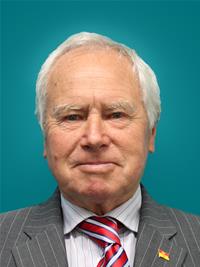


















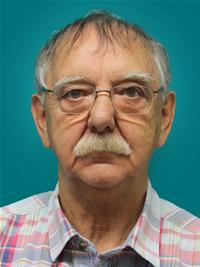
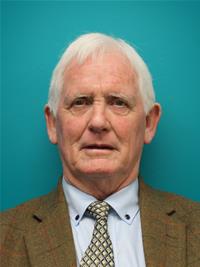



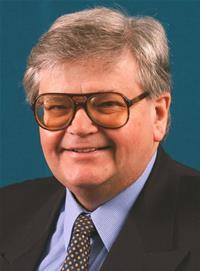







Officer
Sara Hamilton
In attendance
Officer
Service Manager - Waste and Transport
Liz Mockeridge
In attendance
Officer
Assistant Director Place Operations
Chris Noble
In attendance
Officer
Democratic ICT Officer
Daniel Reynafarje
In attendance
Officer
Principal Democratic Services Officer
Karen Wardle
In attendance
Officer
Assistant Director - Strategy and Engagement
Matt Wisdom
In attendance



Officer
Strategic Director Place, Operations and Sustainability
James Carpenter
In attendance
Agenda
0
Apologies
Apologies for absence were received from Cllrs Cleary, Frampton, Richards and Young.
Minutes
1
Declarations of Interests
To note any declarations of interests made by members in connection with an agenda item. The nature of the interests must also be specified.
Members are asked to discuss any possible interests with Democratic Services prior to the meeting.
Members are asked to discuss any possible interests with Democratic Services prior to the meeting.
Minutes
Cllr Heron declared a non-pecuniary interest in respect of agenda item 2, for transparency purposes on the basis he had been a practicing commoner and a member of the Commoners Defence Association. He reported he was also a member of the New Forest Association, and that his brother was the Official Verderer.
A number of councillors declared an interest, in respect of agenda item 2, as being ward members within the phase 1 waste rollout. The Chief Executive clarified that it was not necessary to declare this as an interest.
A number of councillors declared an interest, in respect of agenda item 2, as being ward members within the phase 1 waste rollout. The Chief Executive clarified that it was not necessary to declare this as an interest.
2
Extraordinary Council Meeting Requisition - Review of new waste collection service phase 1 roll out and motion to suspend phases 2 and 3
Following a request by six councillors (Cllrs M Wade, Millar, J Davies, Harrison, Clark and Brand), the Chairman of the Council has called this Extraordinary Meeting to receive:-
· The enclosed officer report, detailing a comprehensive overview of the project to launch the council’s new waste and recycling service; and
· A motion under Standing Order 22 (detailed at item 3 of the agenda), which, in the Chief Executive’s opinion, is relevant to the subject matter specified on the summons for this meeting.
· The enclosed officer report, detailing a comprehensive overview of the project to launch the council’s new waste and recycling service; and
· A motion under Standing Order 22 (detailed at item 3 of the agenda), which, in the Chief Executive’s opinion, is relevant to the subject matter specified on the summons for this meeting.
Attachments:
- Document Waste Extraordinary Council meeting report 19 Aug 2025
- Document Appendix 1 - Requisition for an Extraordinary Council meeting 19 Aug 2025
- Document Appendix 2 - Waste Collection data - Phase 1 19 Aug 2025
- Document Appendix 3 - Risk Log 19 Aug 2025
Minutes
The Chairman welcomed Members to the Extraordinary Council meeting and explained that he had called the meeting following a request by six members of the council for an urgent meeting in relation to the roll out of the council’s waste and recycling programme and a related motion.
Cllr Heron declared a non-pecuniary interest, for transparency purposes on the basis he had been a practicing commoner and a member of the Commoners Defence Association. He reported he was also a member of the New Forest Association, and that his brother was the Official Verderer.
The Chairman invited Cllr Parker to speak who had a procedural motion to put to the Council.
Cllr Parker addressed the meeting setting out concerns raised to him by residents in Brockenhurst, which included reporting to customer services, communication, missed collection reports and the about donkeys accessing food waste. Cllr Parker then proposed the following motion:
“That the Standing Orders be suspended to enable residents Gary Lee, Susan Carter and Tony Fessler to speak at this Extraordinary Meeting, for a total of three minutes, as provided for by the procedure for public participation at meetings.”
Cllr M Clark seconded the motion.
Members spoke in support of this motion in order to listen to the views of local residents living in the phase 1 area and to understand their concerns.
Put to the vote, the motion was carried. Gary Lee, Susan Carter and Tony Fessler each addressed the Council in turn.
Gary Lee highlighted an issue in Brockenhurst, where donkeys had been accessing bins on collection day, in particular the food waste caddies. The donkeys had developed ways to access the bins and freely roamed the streets in the village of Brockenhurst to access food. There was concern expressed that this could lead to an increase in aggression in the behaviour of donkeys and that there was a fear that a member of the public might get injured. It was asked that the trial to put the bins behind gates become normal practice to prevent donkeys accessing the waste. It was also asked that a member of the council visit the area on collection day to observe the problems being experienced.
Susan Carter, highlighted that the 2021 census results had 34% of the population of Brockenhurst over the age of 65 and the impact the new service had on local residents. The bins in communal areas were considered to be too high and the residents were experiencing difficulty in lifting the lids of the bins up and putting the waste into them. Residents in non communal areas were also experiencing difficulty in coping with the new containers. It was felt that there had been no consultation with residents, and that if there had been, this would have been flagged up. There was concern over risk of injury and breach in the council’s duty of care.
Tony Fessler drew attention to the communication from the council to residents in May 2025, in particular regarding where to place the containers. Residents had been asked to place them where they meet the public highway, however this was a change for residents living in private roads. It was felt that there had been a conflict between the waste collection policy document and the communication to residents. It was highlighted that some private roads were too narrow for refuse trucks with the new service. It was requested that the small bin trucks be brought back to collect the waste in a similar way to the previous service.
Cllr J Davies proposed a motion to suspend the standing order 42.3 – “A motion which affects the Council’s approved strategies, policies or budgets shall be referred to the Cabinet for consideration and report to the next Council meeting, in addition to being referred to any Committee or Panel.” He explained that this was in order to allow the motion to be considered and debated in full and a decision be made on it. Cllr Davies expressed the view that the standing orders would cause further delay, that the issues encountered with phase 1 were ongoing, and that a suspension to allow the motion to be determined at the meeting would be beneficial to local residents.
Cllr M Clark seconded the motion.
Those members who supported the motion clarified they wanted a decision to be made at the meeting rather than delay it further. It was recognised that it was a strategic matter and it was felt that there had been a service failure which had damaged public confidence. Members highlighted that the issue being considered had generated public interest with members of the public present at the meeting. It was felt that the suspension of the standing orders would allow democracy to take place, to be more open and fair. It was also acknowledged that some members were unable to attend the Cabinet meeting in the day.
Those who spoke against the motion felt that due process should be followed and that the standing orders allowed for the matter to be debated at Council, but that it proceed to Cabinet to consider the financial consequences of any delay to future phases of the waste rollout and the implications of this. The matter would however be brought back to Council for a final full debate with all members. It was highlighted that the consequences of any delay would be significant as the Environment Act had a deadline of March 2026 for the implementation of food waste collection and that £2.5 million of funding was at risk if the council did not meet this requirement.
The Monitoring Officer clarified that there were two items on the council agenda for the meeting. One was an officer report with a recommendation and the other was a motion. The motion was proposed to go directly to Cabinet for consideration due to the financial implications, in line with the standing orders. However, members would be able to have a full debate on the issues related to the motion at the meeting, through the consideration of the report, which included the motion as an Appendix.
Upon being put to the vote, the motion was lost.
Cllr Blunden, Portfolio Holder for Environment and Sustainability introduced the report and moved the recommendation. He acknowledged the disruption during the phase 1 roll out and offered his sincere apologies for the inconvenience and frustration faced by residents. Work was being carried out to resolve the issues as swiftly and effectively as possible, but he also recognised that the new waste and recycling service was a huge operational change and very complex. The council had an environmental responsibility to collect food waste and to reduce waste and it wanted to provide a modern service for residents.
The report set out various workstreams and did not overlook the advantages of the service change and the progress which had been made to date. The collection rates were improving week on week and 98% of waste and recycling had been collected. The crews were adapting to the new system. It was noted that there had been an impact across the organisation of the new service for all staff, in particular frontline and operational staff. Thanks was given to all staff. It was highlighted that the service was safer for crews and would improve recycling rates. It was a service which would meet the needs of residents.
The Portfolio Holder addressed a specific issue raised by residents and partners around the presence of free-roaming animals, particularly pigs during the pannage season. He highlighted that constructive discussions had been taking place with the Verderers, Forestry England, the Commoners Defence Association and the New Forest Association and that a set of temporary arrangements had been agreed. This meant that certain properties would be asked to place their food waste containers behind the gates for collection. To make this possible, additional resources were being invested to account for the additional time crews would take to collect food waste caddies from behind gates.
The new service was a major change and with it came an opportunity to make it a success.
Cllr S Davies seconded the motion.
Cllr M Wade moved an amendment as follows:
That Council consider the contents of the report to inform its debate and then recommends to Cabinet to support the actions of the motion outlined at agenda item 3, with a recommendation to the Council to that effect in the meeting on the 15th September.
Cllr Wade addressed the amendment highlighting that he had been contacted by residents in the phase 1 area of the roll out regarding concerns about missed collections, failure to deliver the containers, that animals had been accessing the bins, particularly in relation to food waste, customer services had been overwhelmed with enquires and that the level of food waste put out for collection had been underestimated and that there were driver shortages. He felt it was important to get the issues resolved in phase 1 before proceeding with phases 2 and 3, and that this could be done in a way to meet the deadline for collection of food waste. It was further highlighted that in the phase 2 and 3 areas, there had been an impact with missed collections and that the plastic sacks had not been delivered to some households. The view was expressed that there had been poor resource management, that the financial implications of any delay was speculative. The motion recommended there be a pause to the future roll out phases in order to resolve the issues with phase 1 and the benefit of residents.
Cllr Millar seconded the amendment.
Members spoke in support of the amendment on the basis that a recommendation be agreed by Full Council for Cabinet to consider at the meeting to support the actions within the motion. Those in objection to the amendment, felt that whilst the matter should be debated at the meeting, Cabinet should review the financial implications, form a view and for the matter to be presented back at the next Full Council meeting.
Cllr Tipp proposed a motion that the question now be put. Cllr Heron seconded the motion.
The Monitoring Officer clarified the procedure, that in line with standing orders if members voted to support the amendment being put, that the debate would end and that Cllr M Wade as the mover of the amendment would be able to speak, followed by Cllr Blunden as the mover of the original motion.
Upon put to the vote, the motion that the question now be put was carried.
A further vote was therefore immediately taken on the amendment proposed by Cllr M Wade and this amendment was lost. Members proceeded to debate the substantive motion.
Members debated the report and summary of the points arising during the debate are detailed below:-
· Members acknowledged the importance of providing a service fit for purpose to residents and that it was necessary to get it right. The new waste and recycling service was supported in principle and the ambition to recycle more.
· A number of Members reported that they had been contacted by local residents living in the phase 1 area in relation to a number of concerns, including missed collections, failure to deliver containers, roaming livestock, reporting matters to the customer services team and that these problems extended wider than the phase 1 area with other residents experiencing problems, including missed collections and not being delivered the plastic sacks in the phase 2 and 3 areas. This included missed glass and garden waste collections.
· Environmental concerns were raised. It was noted that some properties had not been included in the list for receipt of containers and that this needed to be addressed.
· The impact of missed collections was district wide and had an impact on the bring sites in the District, many of which were overflowing with waste and recycling.
· Customer services had experienced a high volume of enquiries in relation to the new waste and recycling service and that the time taken to answer telephone calls had been as high as 40-50 minutes at times which also had an impact on other services.
· Improvements were suggested to the communications with local residents in advance as well as during the service roll out. This included the interface with ward councillors. This could take the form of more timely dissemination of collection rates within particular areas, to support clear messaging to local residents.
· A number of members highlighted the volume of concerns which had been brought to their attention by local residents which was districtwide.
· Tribute was made by members to the officers who had been involved, in particular front line staff and customers services for their hard work in challenging circumstances.
· It was acknowledged that there had been an impact on staff and that the level of sickness had increased, which might indicate low morale. This was felt to be an ongoing risk to the council and there was a duty of care as an employer to address this. It was also felt that recruitment was difficult, with a low number of applications being received for vacant posts. It was suggested that a review of staffing issues be carried out and that this also include staffing at the various hubs around the district.
· Members speaking in support of the actions within the motion suggested that a pause to the service would enable solutions to be identified and bring the project back on track, ensuring that phases 2 and 3 were carefully planned, building on the lessons that were being learnt from phase 1. It was acknowledged that there would be costs associated with any delay the roll out of phases 2 and 3 but also that there would be a cost associated with a failure to deliver a good service, which included reputational damage. It was also recognised that there was a deadline to roll out a food waste collection service by March 2026, which would put £2.5 million of funding at risk, if this service was not delivered on time.
· A member highlighted matters included within the Risk Assessment, this included operational risk which had not been stabilised, missed bin collections higher than expected, container delivery late or wrong and that narrow access rounds were not working as well officers would like. These matters, in the view of the councillor, were indicators that there should be a pause to the rollout of the future phases before the issues were multiplied across more residents. In relation to the financial risk, it was highlighted that initially there was insufficient budget for the roll out, unexpected tipping charges and a reliance on agency staff. The officer report indicated there was a £1.2 million assumption to the delay to the roll out of phases 2 and 3 but that this was not fixed liability.
· A number of ward members in the New Milton area reported that the roll out of the new service had been successful in their area with waste collected in good time and that the streets with cleaner as a result of the introduction of the new containers. The sack service had left the streets littered with rubbish arising from seagull attacks each week. It was felt that local residents were supportive of the new service and that following discussions with the crews collecting the waste that morale with staff was high. A 98% collection rate was positive.
· The proposed trial to change the collection points of the containers in specific areas was welcomed to address issues with donkeys. Financial information on the trial and the additional costs was requested.
· A clear plan of mitigating actions and measurable Key Performance Indicators was requested which would monitor progress and instil confidence.
· It was noted that many of the issues raised at the meeting had been considered by the member led working group through the development of the Waste Strategy. Good practice from other authorities had also been reviewed.
· It was generally acknowledged that the roll out of the service had not been as smooth as desirable, recognising that it was the largest and most complex project the council had ever introduced. Despite that, the new service was delivering for the vast majority of residents and there were concerns that a delay could hamper the progress being made to resolve the areas experiencing disruption.
Cllr Steve Davies, Deputy Leader thanked all those present at the meeting for the debate and recognised that there was a lot to consider and to learn lessons to improve the service. The importance of more robust scrutiny was recognised and that the report highlighted lessons learnt and the matters which were being addressed. He believed that the improvements to the service would make the big difference to local residents. A sincere apology was made to the customers who had felt let down. It was highlighted that in New Milton the service had been exemplary. Confidence was expressed that the planned improvements would help to resolve the areas of concern. Finally, the Deputy Leader praised staff, in particular the customer services team in the roll out of the waste service.
Cllr Blunden, Portfolio Holder for Environment and Sustainability reported that he would reflect and take on board the comments made at the meeting. He recognised there were areas which were not working and that these were being fully addressed. Other areas, such as New Milton were however working well. The Portfolio Holder apologised to the residents present at the meeting in relation to the problems faced in Brockenhurst.
There was a focus on solutions to address issues and this was the priority of the team. He felt that pausing the roll out would delay matters further. Missed collections accounted for a small percentage of the number of collections across the district. The collection of food waste had been a success, with the collection of 60 tonnes of food waste last week. He was confident that the steps taken by the council set out in the report, showed there was a clear action plan and effective governance.
RESOLVED:
That the Council consider the contents of the report to inform its debate.
Cllr Heron declared a non-pecuniary interest, for transparency purposes on the basis he had been a practicing commoner and a member of the Commoners Defence Association. He reported he was also a member of the New Forest Association, and that his brother was the Official Verderer.
The Chairman invited Cllr Parker to speak who had a procedural motion to put to the Council.
Cllr Parker addressed the meeting setting out concerns raised to him by residents in Brockenhurst, which included reporting to customer services, communication, missed collection reports and the about donkeys accessing food waste. Cllr Parker then proposed the following motion:
“That the Standing Orders be suspended to enable residents Gary Lee, Susan Carter and Tony Fessler to speak at this Extraordinary Meeting, for a total of three minutes, as provided for by the procedure for public participation at meetings.”
Cllr M Clark seconded the motion.
Members spoke in support of this motion in order to listen to the views of local residents living in the phase 1 area and to understand their concerns.
Put to the vote, the motion was carried. Gary Lee, Susan Carter and Tony Fessler each addressed the Council in turn.
Gary Lee highlighted an issue in Brockenhurst, where donkeys had been accessing bins on collection day, in particular the food waste caddies. The donkeys had developed ways to access the bins and freely roamed the streets in the village of Brockenhurst to access food. There was concern expressed that this could lead to an increase in aggression in the behaviour of donkeys and that there was a fear that a member of the public might get injured. It was asked that the trial to put the bins behind gates become normal practice to prevent donkeys accessing the waste. It was also asked that a member of the council visit the area on collection day to observe the problems being experienced.
Susan Carter, highlighted that the 2021 census results had 34% of the population of Brockenhurst over the age of 65 and the impact the new service had on local residents. The bins in communal areas were considered to be too high and the residents were experiencing difficulty in lifting the lids of the bins up and putting the waste into them. Residents in non communal areas were also experiencing difficulty in coping with the new containers. It was felt that there had been no consultation with residents, and that if there had been, this would have been flagged up. There was concern over risk of injury and breach in the council’s duty of care.
Tony Fessler drew attention to the communication from the council to residents in May 2025, in particular regarding where to place the containers. Residents had been asked to place them where they meet the public highway, however this was a change for residents living in private roads. It was felt that there had been a conflict between the waste collection policy document and the communication to residents. It was highlighted that some private roads were too narrow for refuse trucks with the new service. It was requested that the small bin trucks be brought back to collect the waste in a similar way to the previous service.
Cllr J Davies proposed a motion to suspend the standing order 42.3 – “A motion which affects the Council’s approved strategies, policies or budgets shall be referred to the Cabinet for consideration and report to the next Council meeting, in addition to being referred to any Committee or Panel.” He explained that this was in order to allow the motion to be considered and debated in full and a decision be made on it. Cllr Davies expressed the view that the standing orders would cause further delay, that the issues encountered with phase 1 were ongoing, and that a suspension to allow the motion to be determined at the meeting would be beneficial to local residents.
Cllr M Clark seconded the motion.
Those members who supported the motion clarified they wanted a decision to be made at the meeting rather than delay it further. It was recognised that it was a strategic matter and it was felt that there had been a service failure which had damaged public confidence. Members highlighted that the issue being considered had generated public interest with members of the public present at the meeting. It was felt that the suspension of the standing orders would allow democracy to take place, to be more open and fair. It was also acknowledged that some members were unable to attend the Cabinet meeting in the day.
Those who spoke against the motion felt that due process should be followed and that the standing orders allowed for the matter to be debated at Council, but that it proceed to Cabinet to consider the financial consequences of any delay to future phases of the waste rollout and the implications of this. The matter would however be brought back to Council for a final full debate with all members. It was highlighted that the consequences of any delay would be significant as the Environment Act had a deadline of March 2026 for the implementation of food waste collection and that £2.5 million of funding was at risk if the council did not meet this requirement.
The Monitoring Officer clarified that there were two items on the council agenda for the meeting. One was an officer report with a recommendation and the other was a motion. The motion was proposed to go directly to Cabinet for consideration due to the financial implications, in line with the standing orders. However, members would be able to have a full debate on the issues related to the motion at the meeting, through the consideration of the report, which included the motion as an Appendix.
Upon being put to the vote, the motion was lost.
Cllr Blunden, Portfolio Holder for Environment and Sustainability introduced the report and moved the recommendation. He acknowledged the disruption during the phase 1 roll out and offered his sincere apologies for the inconvenience and frustration faced by residents. Work was being carried out to resolve the issues as swiftly and effectively as possible, but he also recognised that the new waste and recycling service was a huge operational change and very complex. The council had an environmental responsibility to collect food waste and to reduce waste and it wanted to provide a modern service for residents.
The report set out various workstreams and did not overlook the advantages of the service change and the progress which had been made to date. The collection rates were improving week on week and 98% of waste and recycling had been collected. The crews were adapting to the new system. It was noted that there had been an impact across the organisation of the new service for all staff, in particular frontline and operational staff. Thanks was given to all staff. It was highlighted that the service was safer for crews and would improve recycling rates. It was a service which would meet the needs of residents.
The Portfolio Holder addressed a specific issue raised by residents and partners around the presence of free-roaming animals, particularly pigs during the pannage season. He highlighted that constructive discussions had been taking place with the Verderers, Forestry England, the Commoners Defence Association and the New Forest Association and that a set of temporary arrangements had been agreed. This meant that certain properties would be asked to place their food waste containers behind the gates for collection. To make this possible, additional resources were being invested to account for the additional time crews would take to collect food waste caddies from behind gates.
The new service was a major change and with it came an opportunity to make it a success.
Cllr S Davies seconded the motion.
Cllr M Wade moved an amendment as follows:
That Council consider the contents of the report to inform its debate and then recommends to Cabinet to support the actions of the motion outlined at agenda item 3, with a recommendation to the Council to that effect in the meeting on the 15th September.
Cllr Wade addressed the amendment highlighting that he had been contacted by residents in the phase 1 area of the roll out regarding concerns about missed collections, failure to deliver the containers, that animals had been accessing the bins, particularly in relation to food waste, customer services had been overwhelmed with enquires and that the level of food waste put out for collection had been underestimated and that there were driver shortages. He felt it was important to get the issues resolved in phase 1 before proceeding with phases 2 and 3, and that this could be done in a way to meet the deadline for collection of food waste. It was further highlighted that in the phase 2 and 3 areas, there had been an impact with missed collections and that the plastic sacks had not been delivered to some households. The view was expressed that there had been poor resource management, that the financial implications of any delay was speculative. The motion recommended there be a pause to the future roll out phases in order to resolve the issues with phase 1 and the benefit of residents.
Cllr Millar seconded the amendment.
Members spoke in support of the amendment on the basis that a recommendation be agreed by Full Council for Cabinet to consider at the meeting to support the actions within the motion. Those in objection to the amendment, felt that whilst the matter should be debated at the meeting, Cabinet should review the financial implications, form a view and for the matter to be presented back at the next Full Council meeting.
Cllr Tipp proposed a motion that the question now be put. Cllr Heron seconded the motion.
The Monitoring Officer clarified the procedure, that in line with standing orders if members voted to support the amendment being put, that the debate would end and that Cllr M Wade as the mover of the amendment would be able to speak, followed by Cllr Blunden as the mover of the original motion.
Upon put to the vote, the motion that the question now be put was carried.
A further vote was therefore immediately taken on the amendment proposed by Cllr M Wade and this amendment was lost. Members proceeded to debate the substantive motion.
Members debated the report and summary of the points arising during the debate are detailed below:-
· Members acknowledged the importance of providing a service fit for purpose to residents and that it was necessary to get it right. The new waste and recycling service was supported in principle and the ambition to recycle more.
· A number of Members reported that they had been contacted by local residents living in the phase 1 area in relation to a number of concerns, including missed collections, failure to deliver containers, roaming livestock, reporting matters to the customer services team and that these problems extended wider than the phase 1 area with other residents experiencing problems, including missed collections and not being delivered the plastic sacks in the phase 2 and 3 areas. This included missed glass and garden waste collections.
· Environmental concerns were raised. It was noted that some properties had not been included in the list for receipt of containers and that this needed to be addressed.
· The impact of missed collections was district wide and had an impact on the bring sites in the District, many of which were overflowing with waste and recycling.
· Customer services had experienced a high volume of enquiries in relation to the new waste and recycling service and that the time taken to answer telephone calls had been as high as 40-50 minutes at times which also had an impact on other services.
· Improvements were suggested to the communications with local residents in advance as well as during the service roll out. This included the interface with ward councillors. This could take the form of more timely dissemination of collection rates within particular areas, to support clear messaging to local residents.
· A number of members highlighted the volume of concerns which had been brought to their attention by local residents which was districtwide.
· Tribute was made by members to the officers who had been involved, in particular front line staff and customers services for their hard work in challenging circumstances.
· It was acknowledged that there had been an impact on staff and that the level of sickness had increased, which might indicate low morale. This was felt to be an ongoing risk to the council and there was a duty of care as an employer to address this. It was also felt that recruitment was difficult, with a low number of applications being received for vacant posts. It was suggested that a review of staffing issues be carried out and that this also include staffing at the various hubs around the district.
· Members speaking in support of the actions within the motion suggested that a pause to the service would enable solutions to be identified and bring the project back on track, ensuring that phases 2 and 3 were carefully planned, building on the lessons that were being learnt from phase 1. It was acknowledged that there would be costs associated with any delay the roll out of phases 2 and 3 but also that there would be a cost associated with a failure to deliver a good service, which included reputational damage. It was also recognised that there was a deadline to roll out a food waste collection service by March 2026, which would put £2.5 million of funding at risk, if this service was not delivered on time.
· A member highlighted matters included within the Risk Assessment, this included operational risk which had not been stabilised, missed bin collections higher than expected, container delivery late or wrong and that narrow access rounds were not working as well officers would like. These matters, in the view of the councillor, were indicators that there should be a pause to the rollout of the future phases before the issues were multiplied across more residents. In relation to the financial risk, it was highlighted that initially there was insufficient budget for the roll out, unexpected tipping charges and a reliance on agency staff. The officer report indicated there was a £1.2 million assumption to the delay to the roll out of phases 2 and 3 but that this was not fixed liability.
· A number of ward members in the New Milton area reported that the roll out of the new service had been successful in their area with waste collected in good time and that the streets with cleaner as a result of the introduction of the new containers. The sack service had left the streets littered with rubbish arising from seagull attacks each week. It was felt that local residents were supportive of the new service and that following discussions with the crews collecting the waste that morale with staff was high. A 98% collection rate was positive.
· The proposed trial to change the collection points of the containers in specific areas was welcomed to address issues with donkeys. Financial information on the trial and the additional costs was requested.
· A clear plan of mitigating actions and measurable Key Performance Indicators was requested which would monitor progress and instil confidence.
· It was noted that many of the issues raised at the meeting had been considered by the member led working group through the development of the Waste Strategy. Good practice from other authorities had also been reviewed.
· It was generally acknowledged that the roll out of the service had not been as smooth as desirable, recognising that it was the largest and most complex project the council had ever introduced. Despite that, the new service was delivering for the vast majority of residents and there were concerns that a delay could hamper the progress being made to resolve the areas experiencing disruption.
Cllr Steve Davies, Deputy Leader thanked all those present at the meeting for the debate and recognised that there was a lot to consider and to learn lessons to improve the service. The importance of more robust scrutiny was recognised and that the report highlighted lessons learnt and the matters which were being addressed. He believed that the improvements to the service would make the big difference to local residents. A sincere apology was made to the customers who had felt let down. It was highlighted that in New Milton the service had been exemplary. Confidence was expressed that the planned improvements would help to resolve the areas of concern. Finally, the Deputy Leader praised staff, in particular the customer services team in the roll out of the waste service.
Cllr Blunden, Portfolio Holder for Environment and Sustainability reported that he would reflect and take on board the comments made at the meeting. He recognised there were areas which were not working and that these were being fully addressed. Other areas, such as New Milton were however working well. The Portfolio Holder apologised to the residents present at the meeting in relation to the problems faced in Brockenhurst.
There was a focus on solutions to address issues and this was the priority of the team. He felt that pausing the roll out would delay matters further. Missed collections accounted for a small percentage of the number of collections across the district. The collection of food waste had been a success, with the collection of 60 tonnes of food waste last week. He was confident that the steps taken by the council set out in the report, showed there was a clear action plan and effective governance.
RESOLVED:
That the Council consider the contents of the report to inform its debate.
3
Notice of Motion
In accordance with Standing Order 21, Cllr M Wade will move the following motion:-
This Council notes:
1. Ongoing waste and recycling operational issues in Phase 1 areas, including:
o Missed collections of general, recycling and food waste.
o Overflowing bins and public health risks from rotting food.
o Interference from free-roaming animals, particularly donkeys, as a result of changes to collection points in open forest areas.
o Confusion among residents about collection point requirements.
o Impact on collections in Phase 2 and 3 areas, as well as call-waiting times for residents.
o Impact on NFDC officer time and staff morale.
2. The recent partner meeting of 6 August 2025 involving the Verderers, Forestry England, the New Forest Association, and the Commoners Defence Association, which acknowledged these issues and agreed trial changes to bin placement.
3. That trials to address these problems are only commencing in August, with a further partner review not until 27 August—just one day before this meeting.
4. That updated projections for the cost of the Phase 2 and 3 rollout have not been published, which would take into account the additional costs incurred for Phase 1 (including staff pay, transportation costs, officer time and other fees and charges).
5. That the Cabinet has continued to progress Phase 2 implementation despite these known issues, and before trials and risk assessments have concluded.
This Council believes that:
1. Waste removal is an essential service for residents and businesses across the New Forest area.
2. An efficient and effective rollout of Phase 2 and 3 is essential to ensure that we avoid additional costs and minimise disruption for our residents and staff.
3. That this is best achieved by learning the lessons from Phase 1 and ensuring that they are not repeated in Phases 2 and 3.
Council therefore resolves:
a) To suspend the implementation of Phase 2 and Phase 3 of the waste container rollout until:
· A full report is made to Council categorising the Phase 1 issues with clear mitigating actions identified and delivered.
· Results of the trials on bin placement and container security are available and reported to Full Council.
· An agreed operational policy for collection in open forest areas is in place and communicated appropriately with all relevant stakeholders.
· The council reviews its commercial waste policy with regard to camping and caravan sites where there is residential use alongside commercial use.
· Secure food waste container options have been identified and tested.
· A full risk assessment for Phase 2 and Phase 3 areas is completed and published.
· An improved communication and education service is implemented to support residents in the transition to the new service.
b) That bin placement in open forest areas should, where practicable, be inside property cattle grids pending the adoption of any secure container solution, to prevent animal access.
c) That monthly performance data be published on missed collections, animal interference incidents, complaint volumes and resolution rates, and customer service SLA compliance, for the duration of the Phase 2 and 3 rollout.
d) That the Leader of the Council and Cabinet Member for Environment and Sustainability report progress directly to Full Council before any further rollout stages proceed.
Cllr Millar will second the motion.
Under the provisions of Standing Order 42, the motion shall be referred to the Cabinet for consideration and report to the next Council meeting, as it affects the Council’s approved budgets.
This Council notes:
1. Ongoing waste and recycling operational issues in Phase 1 areas, including:
o Missed collections of general, recycling and food waste.
o Overflowing bins and public health risks from rotting food.
o Interference from free-roaming animals, particularly donkeys, as a result of changes to collection points in open forest areas.
o Confusion among residents about collection point requirements.
o Impact on collections in Phase 2 and 3 areas, as well as call-waiting times for residents.
o Impact on NFDC officer time and staff morale.
2. The recent partner meeting of 6 August 2025 involving the Verderers, Forestry England, the New Forest Association, and the Commoners Defence Association, which acknowledged these issues and agreed trial changes to bin placement.
3. That trials to address these problems are only commencing in August, with a further partner review not until 27 August—just one day before this meeting.
4. That updated projections for the cost of the Phase 2 and 3 rollout have not been published, which would take into account the additional costs incurred for Phase 1 (including staff pay, transportation costs, officer time and other fees and charges).
5. That the Cabinet has continued to progress Phase 2 implementation despite these known issues, and before trials and risk assessments have concluded.
This Council believes that:
1. Waste removal is an essential service for residents and businesses across the New Forest area.
2. An efficient and effective rollout of Phase 2 and 3 is essential to ensure that we avoid additional costs and minimise disruption for our residents and staff.
3. That this is best achieved by learning the lessons from Phase 1 and ensuring that they are not repeated in Phases 2 and 3.
Council therefore resolves:
a) To suspend the implementation of Phase 2 and Phase 3 of the waste container rollout until:
· A full report is made to Council categorising the Phase 1 issues with clear mitigating actions identified and delivered.
· Results of the trials on bin placement and container security are available and reported to Full Council.
· An agreed operational policy for collection in open forest areas is in place and communicated appropriately with all relevant stakeholders.
· The council reviews its commercial waste policy with regard to camping and caravan sites where there is residential use alongside commercial use.
· Secure food waste container options have been identified and tested.
· A full risk assessment for Phase 2 and Phase 3 areas is completed and published.
· An improved communication and education service is implemented to support residents in the transition to the new service.
b) That bin placement in open forest areas should, where practicable, be inside property cattle grids pending the adoption of any secure container solution, to prevent animal access.
c) That monthly performance data be published on missed collections, animal interference incidents, complaint volumes and resolution rates, and customer service SLA compliance, for the duration of the Phase 2 and 3 rollout.
d) That the Leader of the Council and Cabinet Member for Environment and Sustainability report progress directly to Full Council before any further rollout stages proceed.
Cllr Millar will second the motion.
Under the provisions of Standing Order 42, the motion shall be referred to the Cabinet for consideration and report to the next Council meeting, as it affects the Council’s approved budgets.
Minutes
In accordance with Standing Order 21, Cllr M Wade moved the following motion:-
This Council notes:
1. Ongoing waste and recycling operational issues in Phase 1 areas, including:
· Missed collections of general, recycling and food waste.
· Overflowing bins and public health risks from rotting food.
· Interference from free-roaming animals, particularly donkeys, as a result of changes to collection points in open forest areas.
· Confusion among residents about collection point requirements.
· Impact on collections in Phase 2 and 3 areas, as well as call-waiting times for residents.
· Impact on NFDC officer time and staff morale.
2. The recent partner meeting of 6 August 2025 involving the Verderers, Forestry England, the New Forest Association, and the Commoners Defence Association, which acknowledged these issues and agreed trial changes to bin placement.
3. That trials to address these problems are only commencing in August, with a further partner review not until 27 August—just one day before this meeting.
4. That updated projections for the cost of the Phase 2 and 3 rollout have not been published, which would take into account the additional costs incurred for Phase 1 (including staff pay, transportation costs, officer time and other fees and charges).
5. That the Cabinet has continued to progress Phase 2 implementation despite these known issues, and before trials and risk assessments have concluded.
This Council believes that:
1. Waste removal is an essential service for residents and businesses across the New Forest area.
2. An efficient and effective rollout of Phase 2 and 3 is essential to ensure that we avoid additional costs and minimise disruption for our residents and staff.
3. That this is best achieved by learning the lessons from Phase 1 and ensuring that they are not repeated in Phases 2 and 3.
Council therefore resolves:
a) To suspend the implementation of Phase 2 and Phase 3 of the waste container rollout until:
· A full report is made to Council categorising the Phase 1 issues with clear mitigating actions identified and delivered.
· Results of the trials on bin placement and container security are available and reported to Full Council.
· An agreed operational policy for collection in open forest areas is in place and communicated appropriately with all relevant stakeholders.
· The council reviews its commercial waste policy with regard to camping and caravan sites where there is residential use alongside commercial use.
· Secure food waste container options have been identified and tested.
· A full risk assessment for Phase 2 and Phase 3 areas is completed and published.
· An improved communication and education service is implemented to support residents in the transition to the new service.
b) That bin placement in open forest areas should, where practicable, be inside property cattle grids pending the adoption of any secure container solution, to prevent animal access.
c) That monthly performance data be published on missed collections, animal interference incidents, complaint volumes and resolution rates, and customer service SLA compliance, for the duration of the Phase 2 and 3 rollout.
d) That the Leader of the Council and Cabinet Member for Environment and Sustainability report progress directly to Full Council before any further rollout stages proceed.
The Chairman reported that in accordance with Standing Orders, the motion would be referred to the Cabinet for consideration due to the impact on the Council’s approved budget. An agenda item would be added to the Cabinet agenda for the meeting on 3 September. This would then be brought back to the next Council meeting on 15 September. A supplemental agenda would be published the following day with an updated report for the Cabinet to consider on 3 September.
This Council notes:
1. Ongoing waste and recycling operational issues in Phase 1 areas, including:
· Missed collections of general, recycling and food waste.
· Overflowing bins and public health risks from rotting food.
· Interference from free-roaming animals, particularly donkeys, as a result of changes to collection points in open forest areas.
· Confusion among residents about collection point requirements.
· Impact on collections in Phase 2 and 3 areas, as well as call-waiting times for residents.
· Impact on NFDC officer time and staff morale.
2. The recent partner meeting of 6 August 2025 involving the Verderers, Forestry England, the New Forest Association, and the Commoners Defence Association, which acknowledged these issues and agreed trial changes to bin placement.
3. That trials to address these problems are only commencing in August, with a further partner review not until 27 August—just one day before this meeting.
4. That updated projections for the cost of the Phase 2 and 3 rollout have not been published, which would take into account the additional costs incurred for Phase 1 (including staff pay, transportation costs, officer time and other fees and charges).
5. That the Cabinet has continued to progress Phase 2 implementation despite these known issues, and before trials and risk assessments have concluded.
This Council believes that:
1. Waste removal is an essential service for residents and businesses across the New Forest area.
2. An efficient and effective rollout of Phase 2 and 3 is essential to ensure that we avoid additional costs and minimise disruption for our residents and staff.
3. That this is best achieved by learning the lessons from Phase 1 and ensuring that they are not repeated in Phases 2 and 3.
Council therefore resolves:
a) To suspend the implementation of Phase 2 and Phase 3 of the waste container rollout until:
· A full report is made to Council categorising the Phase 1 issues with clear mitigating actions identified and delivered.
· Results of the trials on bin placement and container security are available and reported to Full Council.
· An agreed operational policy for collection in open forest areas is in place and communicated appropriately with all relevant stakeholders.
· The council reviews its commercial waste policy with regard to camping and caravan sites where there is residential use alongside commercial use.
· Secure food waste container options have been identified and tested.
· A full risk assessment for Phase 2 and Phase 3 areas is completed and published.
· An improved communication and education service is implemented to support residents in the transition to the new service.
b) That bin placement in open forest areas should, where practicable, be inside property cattle grids pending the adoption of any secure container solution, to prevent animal access.
c) That monthly performance data be published on missed collections, animal interference incidents, complaint volumes and resolution rates, and customer service SLA compliance, for the duration of the Phase 2 and 3 rollout.
d) That the Leader of the Council and Cabinet Member for Environment and Sustainability report progress directly to Full Council before any further rollout stages proceed.
The Chairman reported that in accordance with Standing Orders, the motion would be referred to the Cabinet for consideration due to the impact on the Council’s approved budget. An agenda item would be added to the Cabinet agenda for the meeting on 3 September. This would then be brought back to the next Council meeting on 15 September. A supplemental agenda would be published the following day with an updated report for the Cabinet to consider on 3 September.
Join the Discussion
You need to be signed in to comment.
Sign in