
Meeting
Health and Wellbeing Board - Hampshire
Scheduled Time
Thursday, 11th December 2025
9:15 AM
Thursday, 11th December 2025
11:29 AM
Confirmed
11 Dec 2025
Mitchell Room - HCC
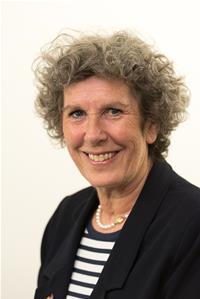
David Radbourne
NHS England
Apologies
Ron Shields
Community and Mental Health NHS Trusts
Apologies, sent representative
Simon Bryant
Director of Public Health
Present, as expected
Mary O'Brien
NHS England
Expected
Dr Karl Graham
Hampshire & IoW ICB
Present, as expected
Julie Amies
Voluntary and Community Sector
Present, as expected
Sam Burrows
Frimley Integrated Care Board
Apologies, sent representative

Ros Hartley
Hampshire and Isle of Wight Integrated Care Board
Present, as expected
Liz Butterfield
Healthwatch Hampshire
Present, as expected
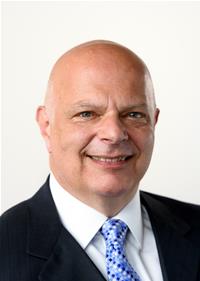
Laura Taylor
District/Borough Council Chief Executives
Present, as expected
Karen Dawes
Police & Crime Commissioner
Present, as substitute
Penny Emerit
Acute Health NHS Trusts
Expected
Paula Anderson
Community and Mental Health NHS Trusts
Present, as substitute
Clare Hedgecock
In attendance
Johanna Jefferies
Deputy to Director of Public Health
Expected
Charlotte Koster
Expected
James Lucy
Hampshire Fire and Rescue
Apologies
Karen Farr
Hampshire Fire and Rescue
Apologies
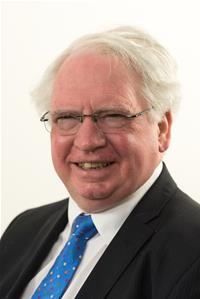
Sue Harriman
Provider Representative: Hampshire Hospitals
Apologies
Councillor Anne Crampton
District/Borough Local Authorities
Apologies
Jessica Hutchinson
Director of Adults' Health and Care
Apologies, sent representative
Siobhain McCurrach
Hampshire Healthwatch
Present, as expected
Alex Ronnie
Hampshire Constabulary
Present, as expected
ICB (Hampshire and Isle of Wight) - Vacancy
ICB (Hampshire and Isle of Wight)
Expected
ICB (Hampshire and Isle of Wight) - Vacancy
ICB (Hampshire and Isle of Wight)
Expected
ICB (Hampshire and Isle of Wight) - Vacancy
ICB (Hampshire and Isle of Wight)
Expected
ICB (Hampshire and Isle of Wight) - Vacancy
ICB (Hampshire and Isle of Wight)
Expected
District, Borough, and City Council within Hampshire - Vacancy
District, Borough, and City Council within Hampshire
Not required
Voluntary and Community Sector - Vacancy
Voluntary and Community sector
Expected
No declarations of interest were received.
- Document Minutes Public Pack, 09/10/2025 Health and Wellbeing Board 03 Dec 2025
- Document Integrated Neighbourhoods and Communities - An Emerging Approach for Hampshire DMS 03 Dec 2025
The Board heard details of the officers’ roles and the work undertaken in defining neighbourhoods, taking into account the pending Local Government Reorganisation (LGR). Planned outcomes aimed to ensure that district boundaries accurately reflected future location and access of services. Information was shared to illustrate current patient locations in proximity to their registration. Work would continue to map against service locations to determine future neighbourhood geographies which would make sense to the users. The high-level methodology, with assumptions were clearly laid out with acknowledgment from the Board that this work should be agreed by the required deadline of April 2026.
In terms of governance, existing forums would be relied upon to influence the final plan. Suggestions included a Hampshire Neighbourhood and Communities Working Group and would include a Health and Care Working Group. The Board to receive a service update at the next meeting.
With access to learning across the boundaries, the Board encouraged officers to continue collaboration with colleagues across Hampshire and Isle of Wight; Southampton and IOW agreed to synchronise any future offer. Board Members also suggested a top-down approach, blended with any bottom-up insights officers agreed that a dual approach, whole-county structure plus neighbourhood-level intelligence would be a sensible way forward.
Points of access and maximising engagement were discussed, noting that the use of community assets would differ by location and alternative venues to the generic library option were explored. These included multi-agency drop-in sites, health stations and the Portsmouth health desk which tended to evolve into natural hubs. This would assist with the notorious hard to reach residents who do not engage with formal services. Board Members shared their intelligence and experiences of working with hard-to-reach groups and agreed to work with officers to find a resolution to maximise engagement. Non-physical hubs involving “what matters to me” conversations were also featured in the debate.
The overlap between deprivation and crime were noted with the Office of the Police and Crime Commission (OPCC) confirmation that they were working on establishing clearer pathways and would include the trauma-informed approaches and early years whilst referencing the benefits and outcomes of the existing work on first 1,001 days.
Officers outlined future engagement which would include events and workshops to combine all relevant partners to define what neighbourhood working means locally. Data would be interrogated and matched against the resident voice; to reflect both the data and the resident conversation, a blended approach would support future behavioural change.
The Chairman noted that delivery hubs were more about people and not buildings, there were concerns around any future staffing challenges and it was noted that some residents choose not to engage with services opting to attend A&E as an alternative. These levels could see a reduction with some improved engagement strategies.
The Health and Wellbeing Board RESOLVED to support the approach and methodology for agreeing the neighbourhood geographies.
- Document 2025-12-11 HHWB Climate change and health 03 Dec 2025
- Document 2025 12 11 HWBB Climate Change and Health presentation 03 Dec 2025
Officers were pleased to report on significant activity which had taken place during the past year and that climate change had been recognised as a significant threat to health and wellbeing, impacting on fundamental needs such as clean air, water and safe shelter. The recognised adverse effects included, heat stress, cardiovascular disease, allergies and poor air quality, disproportionately affecting vulnerable populations.
The Climate Assembly had influenced the updated action plan and progress made across priority areas were discussed:
- Leadership: strengthened senior engagement and visibility,
- Joint Strategic Needs Assessment (JSNA), climate considerations embedded into public health evidence.
- Training: delivery of training to officers, including health visitors.
- District and Borough Collaboration: increased joint working, champions across services are supporting climate action and resident adaptation, including measures to cope with heat.
- Work on healthy streets, transport and active travel:
- Promoting sustainable travel, behaviour change and normalising cycling and walking.
- Public engagement needed to bring climate impacts to life to achieve public buy in, being achieved through the integration and reflection of human stories into policy.
- Engagement with schools through bus improvements and active travel initiatives. This includes the bike bus initiative launched in Winchester, encouraging families to cycle to school, contributing to wider health and wellbeing.
When supporting air quality improvements officers informed the Board of the following:
- Events and awareness activities had been undertaken.
- Air Quality Strategy development and improved data gathering could be evidenced.
- The New Forest Air Quality Strategy had been shared with partners.
Priorities for 2026 would include key themes which had seen a continuation from those of 2025, leadership, transport and active travel and air quality. Examples of protecting staff and service users during periods of extreme heat were given. Officers informed the Board of the emerging impacts on school attendance in terms of heat with an expectation of an increase in the coming year.
The Board considered and agreed that there had been a need for a system-wide change and promised partnership advocacy to assist with the development of a movement and place framework, incorporating mapping to identify place-based priorities; in addition to champion co-benefits of climate action and identify further opportunities within individual organisations.
Discussions around micro populations and public spaces explored adapting public spaces, e.g., pavement dining etc, to support changing micro?populations with an emphasis on the development of forward?looking local plans with strong strategic framing. This would be aligned with ongoing contributions from partners including Southampton University.
Healthy streets and planning concerns were raised in terms of high housing targets. The Board agreed that healthy street considerations should be embedded into the principles of planning policy and how best to work with local planning authorities to achieve this. The role of the districts and boroughs were discussed to ensure future environmental and health standards were a consideration during the development stage.
The Chairman commented on the growing challenges of embedding climate change actions.
The Health and Wellbeing Board RESOLVED to:
1. Note the progress made over the last year against the climate change and health priority areas of leadership, active travel and air quality.
2. Provide leadership for action across these priority areas within their organisations and partnerships in line with the HWB’s Climate Change and Health Action Plan.
- Document JSNA Update 03 Dec 2025
- Document JSNA Presentation 03 Dec 2025
The JSNA would seek to prioritise actions with an emphasis on the building blocks of health informed by engagement data. There was recognition of the importance of a strong, accessible website and better interaction between data and published reports with officers agreeing to take away as an action the exploration of the inclusion of additional datasets. As previously stated, the review of climate change and the impacts on health related to temperature and associated risks was further discussed. The report had outlined the population demographics (who and where they are), had included the focus on children and young people, and the factors influencing them and was mindful of modes of travel and health inequalities.
During the transfer of public health responsibilities from Hampshire to the Isle of Wight, the team gave support, hosted engagement sessions and feedback workshops, the outcome of which would assist the IOW in production of updates and their future progress reports.
The next 12 months would see a focus on continually updating the JSNA and would include any national and local guidance as this emerged. Effective use of the JSNA would build a strong narrative in terms of local population need.
Data insights included recognition that IT could be interrogated to inform data on an area?by?area basis and would be useful to highlight preventable and treatable mortality as an example, with local and national comparison data being easily identified.
The Chairman expressed concern about the low profile of the JSNA, noting that it should be central to decision?making. It was noted that some GP practices were using data from the JSNA but may be unaware of the document by name. Officers agreed that raising awareness and improving messaging would be reviewed; it was further suggested that the use of insights from the #BeeWell survey as already recognised by children and young people, could then be linked into the JSNA. The use of storytelling to bring the JSNA to life was noted as was engaging with recognised forum like the Youth MPs etc.
In terms of local training and support the offer of a JSNA demonstration session to practices was tabled and officers confirmed that this could be arranged.
RESOLVED that the Hampshire Health and Wellbeing Board considered the update and supported the proposed work programme.
- Document Get Hampshire Working Plan 03 Dec 2025
- Document Get Hampshire Working Action Plan Progress Report 03 Dec 2025
Eligibility and support were discussed, specifically support to the 18+ group was detailed, recognition of the importance of supporting the existing group of individuals who are already trying to access help elsewhere. Many young people (e.g., care leavers, homeless individuals etc) required a higher level of support at an earlier stage before considering employment. Agreement was shared across the board that organisations should gain a better understanding of the barriers preventing people from entering the work economy.
The Board recognised the importance of implementing the action plan thorough continued collaboration and support of the district/borough links, seeking their assistance to promote the message and enhance connections in local areas.
To more clearly understand barriers and address them, health and skills integration was thought to be a key component to success, with a focus on linking health, work and skills to provide a more joined up system. Making use of intelligence across all organisations to understand vulnerable groups and shape future planning. Actively targeting young people using existing links like local colleges etc. Identifying and gaining a clear understanding of the challenges and longstanding issues to working, e.g. transport barriers and anxiety, the reluctance to use public transport which would result in limited access to employment opportunities in certain areas.
The Hampshire Health and Wellbeing Board RESLOVED to:
Note the updates on progress made on the Get Hampshire Working Plan and
Explore how members might like to support delivery of the Plan
any suggestions for inclusion.
- Document Health and Wellbeing Board Forward Plan 2025 2026 03 Dec 2025
The Health and Wellbeing Board RESOLVED to note the Forward Plan and
suggestions for inclusion.
Join the Discussion
You need to be signed in to comment.
Sign in