
New Forest Borough Council
Councillors:
48
Wards:
28
Committees:
14
Meetings (2026):
67
Meetings (2025):
80
Meeting
Cabinet - New Forest
Meeting Times
Scheduled Time
Start:
Wednesday, 7th October 2026
10:00 AM
Wednesday, 7th October 2026
10:00 AM
End:
Wednesday, 7th October 2026
2:00 PM
Wednesday, 7th October 2026
2:00 PM
Meeting Status
Status:
Confirmed
Confirmed
Date:
07 Oct 2026
07 Oct 2026
Location:
Council Chamber - Appletree Court, Beaulieu Road, Lyndhurst, SO43 7PA
Council Chamber - Appletree Court, Beaulieu Road, Lyndhurst, SO43 7PA
Meeting Attendees
Officer
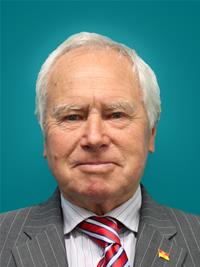
Democratic Services Officer
Joe Tyler
In attendance









Officer
Chief Executive
Kate Ryan
In attendance



Officer
Chief Operations Officer and Deputy Chief Executive
Richard Knott
In attendance
Officer
Principal Democratic Services Officer
Karen Wardle
In attendance
Officer
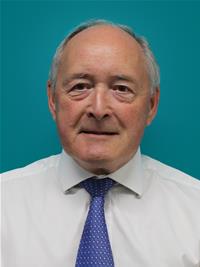
Strategic Director of Corporate Resources (Section 151 Officer)
Alan Bethune
In attendance

Officer
Housing Options Rents Support and Private Sector Housing Service Manager
Chris Pope
In attendance
Officer
Strategic Director Housing and Communities
Sophie Sajic
In attendance
Officer
Assistant Director - Finance
Paul Whittles
In attendance
Officer
Assistant Director - Strategy and Engagement
Matt Wisdom
In attendance
Agenda
0
Apologies
Apologies for absence were received from Cllr Cleary.
The Vice-Chairman, Cllr S Davies in the Chair
The Vice-Chairman, Cllr S Davies in the Chair
Minutes
1
Leader's Announcements
Minutes
The Deputy Leader of the Council explained that since the last Cabinet meeting, the government had changed their stance on Local Government Reorganisation (LGR) and had withdrawn LGR for Hampshire and the Isle of Wight (HIOW), with further clarification expected later in the month. New Forest District Council (NFDC) would plan for elections for the District with the Town and Parish election on 6th May 2027.
2
Minutes
To confirm the minutes of the meeting held on 2 September 2026 as a correct record.
Minutes
RESOLVED:
That the minutes of the meeting held on 2 September 2026, be confirmed and signed.
That the minutes of the meeting held on 2 September 2026, be confirmed and signed.
3
Declarations of Interest
To note any declarations of interest made by members in connection with an agenda item. The nature of the interest must also be specified.
Members are asked to discuss any possible interests with Democratic Services prior to the meeting.
Members are asked to discuss any possible interests with Democratic Services prior to the meeting.
Minutes
There were no declarations of any disclosable pecuniary interests made by Cabinet Members.
4
Public Participation
To receive any public participation in accordance with the Council’s public participation scheme.
Minutes
There was no public participation.
5
Right Home, Right Time Policy
Attachments:
- Document Right Home Right Time policy report 29 Sep 2026
- Document Appendix 1 - Right Home Right Time Policy 29 Sep 2026
Minutes
RESOLVED:
That Cabinet:
1. Approved the Right Home, Right Time (Downsizing) Policy attached at Appendix 1;
2. Approved the introduction of a voluntary downsizing incentive scheme with a maximum annual budget of £100,000 and a maximum individual award of £3,500;
3. Approved a £50,000 annual budget to support downsizing and viewings officer role for 18 months; and
4. Delegated authority to the Strategic Director for Housing and Communities, in consultation with the Portfolio Holder for Housing and Homelessness, to make minor operational amendments to the policy as required.
KEY DECISION:
Yes
PORTFOLIO:
Housing and Homelessness
ALTERNATIVE OPTIONS CONSIDERED/REJECTED:
As set out in the report.
DECLARATIONS OF INTEREST:
None
DISCUSSION:
The Portfolio Holder for Housing and Homelessness introduced the item and stated that he was pleased to see the Right Home, Right Time policy come forward to Cabinet for consideration. The policy would provide a structure and support to help those tenants considering moving to a smaller property. The Portfolio Holder was delighted that this policy had been created with the support of NFDC’s Tenants Interest Group.
The Strategic Director Housing and Communities explained that the policy was a culmination of positive, collaborative work between NFDC and its tenants.
The purpose of the policy was to provide an incentive scheme that would support tenants financially and practically in downsizing. The practical help, such as the redirecting of mail to tenants’ new homes and changing utility bills, would be an important step in assisting those who volunteer to downsize.
Downsizing is an important element of the housing service as it enabled a better mobilisation of the housing stock, moving more tenants into the right home for them and their circumstances.
The Portfolio Holder for Finance and Corporate commented on the difficulty involved in moving home and that voluntary downsizing involves challenges and costs. He praised the policy and the work that had gone into it which would enable more tenants to downsize in a way that was both incentivised and supported.
The Portfolio Holder for Planning and Economy emphasised the voluntary nature of the downsizing policy and was pleased that those tenants willing to participate would be helped appropriately.
A non-Cabinet member expressed support for the policy, recognising that NFDC were putting supportive infrastructure within the policy itself and not simply relying on a financial incentive to encourage people to voluntarily downsize.
Further comments were made on the people-centred approach and the important practical support that was on offer which would not only help people but make the scheme more appealing.
A question was asked about the budget for the scheme and whether the £100,000 budget would be sufficient. The Strategic Director Housing and Communities explained that there was a large data gathering project underway to better understand the tenants and their situations and vulnerabilities. At present, there were possibly up to 1000 tenants who were over-occupying their homes and who may wish to downsize. It was explained that the budget was not dissimilar to other, similar policies over previous years. Budget reviews would take place over time as necessary.
6
Homelessness and Rough Sleeping Strategy 2026-2031
Attachments:
- Document Homelessness and Rough Sleeping Strategy report 29 Sep 2026
- Document Appendix 1 - Homelessness & Rough Sleeping Strategy 29 Sep 2026
- Document Appendix 2 - Equalities Assessment 29 Sep 2026
Minutes
RESOLVED:
That Cabinet recommended to Council the approval of the Homelessness and Rough Sleeping Strategy.
KEY DECISION:
Report to Cabinet and Council
PORTFOLIO:
Housing and Homelessness
ALTERNATIVE OPTIONS CONSIDERED/REJECTED:
As set out in the report.
DECLARATIONS OF INTEREST:
None
DISCUSSION:
The Portfolio Holder for Housing and Homelessness was pleased to introduce the new strategy which was based on NFDC’s past achievements and future ambitions. He thanked the Service Manager for Housing Options and his team in bringing the strategy forward.
The Service Manager for Housing Options explained that the report had been considered by the Housing and Communities Overview and Scrutiny Panel at their meeting in September, where it was supported by members. The public consultation saw strong support for the prevention-lead approach, highlighting the importance of early intervention in preventing homelessness. The Council committed to working collaboratively with their professional and sector partners as well as with services across the Council, to keep residents at the heart of the community.
The Portfolio Holder for Finance and Corporate explained that the policy was aimed at those most in need within the District and that those facing homelessness should be given as much help as possible to prevent this occurring.
A non-Cabinet member expressed support for the policy and commented on the importance of supporting young residents who were facing homelessness and the significance of preventative work in avoiding homelessness. He explained that he wanted to see more focus on prevention within the policy.
The Strategic Director of Housing and Communities explained that Hampshire County Council had a similar strategy within Adult Social Care. Housing was a key focus of that strategy. NFDC would work closely with HCC and continue to strengthen their work in this area.
The Chairman of the Housing and Communities Overview and Scrutiny Panel commented on the years of work that had gone into this service. He praised the Council’s commitment to improving this service and stated that NFDC was an example to local authorities across the country. He commented on the changes made by Government, namely Section 21 ‘no fault evictions’ which would reduce instability within the private rented sector and ultimately prevent homelessness before it occured, but acknowledged that there were still many challenges in this area. He thanked the staff for their work on this policy and commended the approach taken by NFDC in continuing to move forward with this service.
A non-Cabinet member stated that he had seen fewer rough sleepers in his Ward and that this was down to the hard work of the Council and another non-Cabinet member said that the Council and its homelessness team should be proud of the work they had done in this area.
7
Medium Term Financial Plan - Scene setting - General Fund
Attachments:
- Document MTFP - Scene Setting - General Fund report and Appendices 1-5 29 Sep 2026
- Document Appendix 6 - Budget Consultation document 29 Sep 2026
Minutes
RESOLVED:
That Cabinet recommend to Council that the:
1. Council’s MTFP continues to be prepared on a going-concern basis, until such a time that LGR plans for the District are backed by appropriate legislation;
2. revised MTFP forecasts, as outlined within the report and appendices be adopted;
3. Financial Strategy identified to create a balanced budget for 2027/28 and through to 2030/31 is adopted, including commencing public engagement in October;
4. reporting timeline as set out in paragraph 71 be agreed;
5. proposed car parking fees and charges from 1 January 2027 as referenced in paragraph 61 and detailed in appendix 3 are approved; and
6. proposed Keyhaven river fees and charges from 1 January 2027 as referenced in paragraph 62 and detailed in appendix 4 are approved.
KEY DECISION:
Report to Cabinet and Council
PORTFOLIO:
Finance and Corporate
ALTERNATIVE OPTIONS CONSIDERED/REJECTED:
As set out in the report.
DECLARATIONS OF INTEREST:
None
DISCUSSION:
The Portfolio Holder for Finance and Corporate introduced the report and commented on the Government’s changes to the LGR process, which it was acknowledged had a significant impact on the Council’s budgeting. Any Member of the Council, who is not a Portfolio Holder, who considers that any decision should be reviewed should give notice using the call-in facility under the relevant item on the Council’s intranet / extranet site.
Alternatively, notice can be given to the Monitoring Officer (Matt Wisdom) (in writing or by e-mail) to be received ON OR BY 5.15 pm on Friday X (5 working days). Call-in does not apply to items for noting or decisions that are the subject of recommendation to the Council.
The Medium-Term Financial Plan (MTFP) for the General Fund continued to be a challenge. The original forecast from February 2026 saw an assumed £1.5million gap and now the gap had been reduced to £1.25million. Officers were thanked for the excellent work in what was an incredibly challenging and uncertain time.
Following the changes to LGR, the new budgeting period would run to 2031, and if no changes were made, the projected budgeting gap would be £3.5million. Therefore, there would need to be serious and hard thought changes. A public consultation would be held to understand residents’ views. The Portfolio Holder explained that the Council must deliver the statutory services and a balanced budget. He explained that there would be a slight change to Appendix 6 of the report, whereby NFDC would continue to work with its Town and Parish Council partners on the matter of public toilets but confirmed that it was not looking for any closure plans in the near future.
The Assistant Director of Finance provided further detail, explaining that the report contained key financial assumptions. The context of LGR meant that there was uncertainty but that the Council would continue to make financially sustainable decisions. The General Fund budgeting gap had been reduced to £1.25million from £1.5million in February 2026, though it was acknowledged that this gap could rise to £3.5million if no further action was taken by 2031. The improvement in budget gap since February 2026 had come through both revenue income and expenditure savings. These income assumptions related to the Council’s fees and charges increases as included within the recommendations.
The report also includes the provision for normal increases such as the annual pay award but there were also some reductions, such as the removal of one off waste transition budgets. The Council would continue to monitor treasury activity and the investment returns the Council receives from this. The strategy set out the maximisation of income opportunities, such as the application of the maximum permitted Council tax increase of 2.99%
The Council was undertaking a savings and efficiency review, with a public consultation on this subject forthcoming. The Portfolio Holder’s comments were noted on the required changes around the Public Convenience consultation item, and it was confirmed that this would be updated. There was confidence in the Council’s work to deliver a balanced budget through the recommendations set out in the report.
The Portfolio Holder for Planning and Economy commented that the main reason for the difficult financial position were the Governments’ changes to their funding distribution, coupled with the changes to the LGR process and the resources and officer time that had gone into this matter. It was hoped that the public would respond to the consultation and that this would guide work going forward.
The Portfolio Holder for Environment and Sustainability reiterated that the Council were not looking to close public toilets and would continue to engage with their Town and Parish Councils on this subject. He was pleased that the Council were able to continue their policy of keeping car parking charges in line with CPI. It was stated that the maintenance cost for car parks was far in excess of the increasing figure of CPI but that the Council would continue to support residents through their car parking clock scheme.
The Portfolio Holder for Finance and Corporate commented that the Government’s terms for funding to District Councils had been less than generous and that the pressures arising from issues such as inflation and pay award, it is the Council that have to contend with these challenges from within its own funding.
The Portfolio Holder for Community, Safety and Wellbeing agreed that the level of funding support received from central Government was poor. He highlighted the fact that local authorities had had to fund all of the work that had contributed to the LGR process and that in some cases, such as with Hampshire County Council, local authorities were exploring whether to pursue the Government for recompense over these costs, given the significant changes to the LGR scheme.
A non-Cabinet member commented on the level of historic annual underspend by the Council in the General fund. On car parking, he expressed that raising the cost of car parking charges would lead to a reduction in numbers and use of car parks, which would inevitably lead to a reduction in income to the Council. He also stated that response rates to public consultations were often low and that he hoped the Council would take on board the feedback from residents on this consultation.
The Portfolio Holder for Finance and Corporate responded by saying that year on year, with inflationary pressures, the situation with parking become more challenging. Despite this, he explained that parking at NFDC car parks was much cheaper than in some neighbouring authorities. He believed NFDC were reasonable with their parking charges. Other Cabinet members agreed that comparably, other local car parks were much more expensive than those run by NFDC.
A non-Cabinet member questioned this comparison and asked about the Council’s benchmarking process. He suggested that Council run car parks in areas such as BCP were cheaper than NFDC. Other non-Cabinet members stated that NFDC was unique in its offer of parking-clocks and that the rate involved in this scheme was very competitive. The Portfolio Holder for Finance and Corporate added to this by stating that NFDC had kept all of its car parks open, maintained and available to the public, whereas other local authorities had sold of public car parks for development.
Comments were made on the potential £7billion budgeting shortfall facing all local authorities and that the shortfall in revenue would increase by 21% if no changes were made. The non-Cabinet member stressed that it was time that Government listened to local councils when it came to funding.
8
Medium Term Financial Plan - Scene setting - HRA
Attachments:
- Document MTFP - Scene Setting - HRA report 29 Sep 2026
Minutes
RESOLVED:
That Cabinet recommend to Council that the:
1. Council’s HRA MTFP continues to be prepared on a going-concern basis, until such a time that LGR plans for the District are backed by appropriate legislation;
2. revised MTFP forecasts, as outlined within the report and appendix be adopted;
3. options identified to create a balanced budget for 2027/28 and through to 2030/31 are developed further; and
4. reporting timeline as set out in paragraph 39 be agreed.
KEY DECISION:
Report to Cabinet and Council
PORTFOLIO:
Housing and Homelessness / Finance and Corporate
ALTERNATIVE OPTIONS CONSIDERED/REJECTED:
As set out in the report.
DECLARATIONS OF INTEREST:
None
DISCUSSION:
The Portfolio Holder for Finance and Corporate presented the item and explained that the Housing Revenue Account (HRA) contained ringfenced funding and dealt with the Council’s entire housing stock. He stated that the HRA was in very good shape and that the Council oversaw an increasing number of residences every year. The HRA budget outlook remained positive through to 2031.
The Assistant Director of Finance explained that the report had been prepared along a similar basis to the General Fund report and that the budget forecast was sustainable in the medium term. There were some pressures in the longer term, however it was forecast that there would be a £408,000 surplus in the following year, with an overall small surplus expected to remain for the subsequent two years.
Key assumptions that contributed to this forecast were the rent increases continuing in line with government policy of CPI plus 1% as well as the rent conversions being implemented next year. Pay award increases impact the HRA as well as the General Fund, and this had been factored into the budget, as well as inflationary pressures. The 30-year business plan supported the significant investment into the housing stock, with programs such as the decarbonisation scheme among many other improvements.
There would be a review to determine the best use of any surplus, whilst still being mindful of possible impacts and pressures, with work taking place within the service in the coming months to assess and refine the various options. These options would need to be considered by Cabinet and whether the headroom in the budget surplus should be invested to align to the housing priorities or be used to contribute toward paying off debt.
A non-Cabinet member praised the report and the positive position of the HRA budget. He made comment on LGR and expressed concern that this matter had not gone away entirely. He stressed the importance of looking after residents and acknowledged that there may be impacts on budgets and budgeting decisions that arise from the uncertainty of the situation. He said that the positive element of the surplus would give NFDC some level of flexibility in the medium term.
Another non-Cabinet member highlighted the work ongoing to make properties greener, in line with the Councils climate change commitments. He commented on the impact this would have on residents and the expected savings this could make in future on things such as energy bills. The challenge would be to reach net zero by 2050and that this would require around £115m of funding and investment.
9
Meeting dates 2027/28
To agree the following dates of meetings for 2027/2028 (Wednesdays at 10:00am):
2027
2 June
7 July
4 August
1 September
6 October
3 November
1 December
2028
2 February
16 February
1 March
5 April
3 May
2027
2 June
7 July
4 August
1 September
6 October
3 November
1 December
2028
2 February
16 February
1 March
5 April
3 May
Minutes
RESOLVED:
That the meeting dates for 2027/2028, as set out on pages two and three of the agenda, be agreed.
That the meeting dates for 2027/2028, as set out on pages two and three of the agenda, be agreed.
Join the Discussion
You need to be signed in to comment.
Sign in